Graphite Powder is a functional carbon-based material used in many industrial processes, especially in lubrication, casting, metallurgy, coatings, batteries, rubber, plastics, and refractory materials. Because graphite has a layered crystal structure, good thermal stability, electrical conductivity, and chemical resistance, it can perform well in environments where ordinary additives may fail.
In industrial production, Graphite Powder is often selected not only because it is a solid material, but also because it can improve friction performance, heat resistance, release properties, and processing stability. For applications such as lubricant systems and casting production, the material can help reduce wear, improve surface separation, and support smoother processing under high-temperature or heavy-load conditions.
Different particle sizes, purity levels, carbon content, and surface characteristics can affect the final performance of Graphite Powder. Therefore, choosing the right grade is important for achieving stable results in different industrial applications.
What Is Graphite Powder?
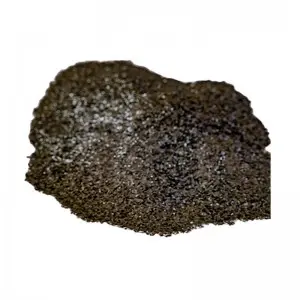
Graphite Powder is a powdered form of graphite, a naturally occurring or synthetic carbon material. It is usually produced by crushing, grinding, purifying, and classifying graphite raw materials into different particle sizes.
The material is known for its soft texture, black-gray color, and excellent lubricating behavior. Its layered structure allows the layers to slide over each other easily, which is one of the main reasons graphite is widely used as a solid lubricant.
Graphite Powder can generally be divided into several types:
- Natural graphite powder, made from natural flake graphite or amorphous graphite.
- Synthetic graphite powder, produced from carbon materials through high-temperature graphitization.
- High-purity graphite powder, used for applications requiring low impurity content.
- Fine graphite powder, suitable for coatings, rubber, plastics, and precision applications.
- Coarse graphite powder, often used in refractory, metallurgy, and casting-related fields.
Each type has different performance advantages, so the choice depends on the working environment and product requirements.
Key Properties of Graphite Powder
Graphite Powder is used in many industries because it combines several useful physical and chemical properties. These properties make it suitable for demanding production conditions.
Important characteristics include:
- Excellent lubrication: The layered structure helps reduce friction and wear.
- High temperature resistance: Graphite can remain stable in many high-temperature environments.
- Good thermal conductivity: It helps transfer heat efficiently in certain applications.
- Electrical conductivity: Graphite is useful in conductive materials and battery-related products.
- Chemical stability: It resists many acids, alkalis, and corrosive substances.
- Release performance: It can help prevent adhesion between molds and cast parts.
- Good dispersibility: Fine graphite grades can be mixed into coatings, polymers, and lubricants.
Because of these properties, Graphite Powder is often used as a functional additive rather than a simple filler.
Graphite Powder for Industrial Lubrication
One of the most common uses of Graphite Powder is lubrication. Unlike liquid lubricants, graphite can provide lubrication in dry, dusty, high-temperature, or heavy-pressure conditions where oil or grease may evaporate, burn, or lose effectiveness.
In lubrication applications, Graphite Powder can be used in:
- Solid lubricants.
- High-temperature grease.
- Anti-seize compounds.
- Metalworking lubricants.
- Chain and bearing lubrication.
- Forging and extrusion lubricants.
- Industrial maintenance products.
The material helps form a thin lubricating layer between contact surfaces. This layer can reduce direct metal-to-metal contact, lower friction, and help protect equipment from wear.
For industries such as machinery, metallurgy, automotive, and heavy equipment manufacturing, graphite-based lubrication can improve process stability and reduce maintenance pressure.
Why Graphite Powder Is Useful in Casting
Casting production often involves high temperature, molten metal, molds, and complex surface separation requirements. In this environment, Graphite Powder can be used as a mold release material, coating additive, or functional component in casting-related formulations.
Its role in casting applications includes:
- Improving mold release performance.
- Reducing sticking between molten metal and mold surfaces.
- Helping create smoother casting surfaces.
- Supporting heat resistance during casting operations.
- Reducing friction during forming or demolding.
- Improving the durability of certain mold coatings.
Graphite Powder is especially valuable because it can maintain stability under heat. When applied properly, it helps the casting process become more controlled and reduces surface defects caused by poor release performance.
In foundry and metal casting industries, the material may be used in mold coatings, die lubricants, parting agents, and refractory materials.
Applications in Coatings, Rubber, and Plastics
Graphite Powder is also widely used as an additive in coating, rubber, and plastic formulations. In these systems, it can improve conductivity, wear resistance, lubrication, and heat performance.
In coatings, Graphite Powder may help improve:
- Conductive performance.
- Anti-static behavior.
- Heat resistance.
- Corrosion protection support.
- Surface lubrication and wear resistance.
In rubber and plastic products, it can be used to enhance:
- Sliding performance.
- Dimensional stability.
- Thermal conductivity.
- Electrical conductivity.
- Wear resistance in moving parts.
For industrial components that operate under friction, heat, or electrical requirements, graphite-filled materials can provide practical performance improvements.
Graphite Powder in Metallurgy and Refractory Materials
Metallurgy and refractory industries also use Graphite Powder because of its high temperature resistance and carbon content. It may be used in carbon raisers, refractory bricks, crucibles, ladle materials, and other high-temperature products.
In metallurgical applications, Graphite Powder can support carbon adjustment and improve material performance in certain production processes. In refractory applications, it helps improve thermal shock resistance and high-temperature stability.
Typical uses include:
- Steelmaking and foundry carbon materials.
- Refractory products for furnaces and kilns.
- Graphite crucibles and molds.
- High-temperature sealing materials.
- Protective coatings for metal processing.
Because these applications often require stable performance under extreme conditions, purity, ash content, particle size, and fixed carbon content are important selection factors.
How to Choose the Right Graphite Powder
Selecting Graphite Powder should be based on the final application rather than only price. Different grades can produce very different results in lubrication, casting, coating, and metallurgy.
Key selection factors include:
- Particle size: Fine powder is better for dispersion, while coarse powder may be suitable for refractory or casting applications.
- Carbon content: Higher carbon content usually means better purity and more stable performance.
- Ash content: Lower ash content is preferred for high-purity applications.
- Moisture level: Low moisture helps improve storage stability and processing performance.
- Lubricity: Important for lubricant, mold release, and anti-wear applications.
- Thermal stability: Necessary for casting, metallurgy, and high-temperature uses.
- Compatibility: The powder should work well with resins, oils, greases, coatings, or other formula materials.
Before large-scale use, testing the selected grade in the actual formulation or production process is recommended.
Conclusion
Graphite Powder is a versatile industrial material with strong value in lubrication, casting, coatings, rubber, plastics, metallurgy, and refractory applications. Its layered structure, high-temperature resistance, conductivity, and chemical stability make it suitable for many demanding environments.
For lubrication and casting, Graphite Powder helps reduce friction, improve release performance, and support smoother production. For coatings and polymer materials, it can improve conductivity, wear resistance, and functional performance. Choosing the right graphite grade based on particle size, purity, carbon content, and application requirements is the key to achieving reliable results.
FAQ
1. What is Graphite Powder mainly used for?
Graphite Powder is mainly used for industrial lubrication, casting release, coatings, rubber, plastics, metallurgy, refractory materials, batteries, and conductive products. Its properties make it useful in high-temperature, friction, and electrical applications.
2. Why is Graphite Powder suitable for lubrication?
Graphite Powder has a layered crystal structure that allows layers to slide easily. This helps reduce friction and wear, especially in dry, high-temperature, or heavy-load environments where liquid lubricants may not perform well.
3. Can Graphite Powder be used in casting?
Yes, Graphite Powder is widely used in casting-related applications. It can improve mold release, reduce sticking, support smoother casting surfaces, and provide heat-resistant performance during metal casting processes.
4. How do I choose the right Graphite Powder?
The right Graphite Powder should be selected according to particle size, carbon content, purity, ash content, moisture level, lubricity, and application requirements. Testing the material in the actual production process is recommended before bulk use.
Post time: Jun-26-2026