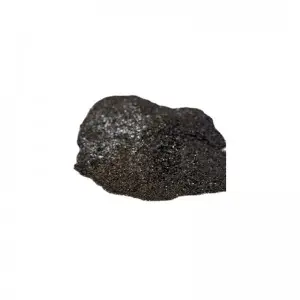
Graphite Block is widely used for machining graphite moulds, graphite plates, graphite furnace parts, graphite fixtures, graphite electrodes, sealing components, and customized industrial graphite parts. For many buyers, graphite block looks like a simple raw material. As long as the size is correct, it seems ready for cutting, milling, drilling, or CNC processing.
In real production, however, graphite block performance depends on much more than outer dimensions. Density, grain size, strength, purity, internal structure, machining direction, cutting method, edge design, and working environment can all affect the final result. If the graphite block is not selected or machined properly, problems such as chipping, cracking, rough surfaces, weak corners, or dimensional changes may appear after processing.
For buyers who need custom graphite parts, understanding these risks can help reduce waste, improve machining quality, and avoid production delays.
Graphite Block Is Easy to Machine, But Not the Same as Metal
Graphite is easier to cut than many metals, but it is also more brittle. This means graphite block can be machined into complex shapes, holes, grooves, cavities, and thin sections, but sharp tools and correct processing methods are important.
If graphite block is processed like ordinary steel or aluminum, damage may occur. Excessive cutting force, poor tool condition, improper clamping, or overly sharp internal corners can lead to edge breakage or micro-cracks.
In graphite machining, the goal is not only to remove material quickly. The process should also protect the structure of the finished part, especially when the product will be used under high temperature, load, friction, or repeated heating cycles.
Grain Size Affects Surface Quality and Detail
One of the most important factors in graphite block selection is grain size. A coarse graphite block may be suitable for some general industrial applications, but it may not be ideal for precision moulds, sealing parts, or components with fine details.
Fine-grain graphite block usually supports better machining accuracy and smoother surfaces. It is often preferred when the finished part requires:
- Small holes;
- Thin walls;
- Smooth mould cavities;
- Precise grooves;
- Better edge quality;
- Lower surface roughness;
- More stable dimensional control.
If the wrong graphite block is selected, the machined part may look acceptable from a distance but show rough surfaces, weak edges, or poor fitting during installation.
Cracking Can Start From Design Details
Not every crack is caused by bad material. Some cracks begin because the part design creates weak areas. Graphite block parts with thin walls, sharp corners, deep narrow grooves, or holes too close to the edge are more likely to crack during machining or later use.
Common risky design features include:
- Very thin sections without enough support;
- Sharp internal corners;
- Long unsupported structures;
- Deep slots with narrow spacing;
- Holes near edges;
- Sudden thickness changes;
- Tight tolerance areas that require heavy machining.
For custom graphite products, the design should match graphite material behavior. Adding a proper radius, increasing support thickness, or adjusting groove structure can often improve part strength without changing the main function.
Internal Quality Matters More Than Appearance
Two graphite blocks may look similar on the outside, but their internal quality can be very different. Density, porosity, strength, ash content, and material uniformity all influence machining performance and service life.
If a graphite block has uneven structure, weak areas may appear during cutting, drilling, or milling. In high-temperature applications, these weak areas may become starting points for cracks or oxidation.
For industrial buyers, stable internal quality is especially important when the graphite block will be used for:
- Furnace components;
- Casting moulds;
- Graphite crucibles;
- Chemical equipment parts;
- High-temperature support tools;
- Conductive components;
- Precision machined graphite parts.
A low-cost graphite block may reduce purchase cost at first, but it can increase waste if machining failure or short service life occurs.
Handling and Clamping Can Damage the Block
Graphite block damage does not always happen during cutting. It may occur during transportation, lifting, clamping, or storage. Because graphite is more brittle than metal, strong impact or uneven pressure can create visible damage or hidden cracks.
Before machining, the block should be checked for broken edges, surface cracks, contamination, or moisture problems. During processing, clamping force should be controlled carefully. Too much pressure may damage the block, while poor support may cause vibration and poor surface finish.
For large graphite blocks, lifting and support points should also be planned in advance. Incorrect lifting may cause corner damage or internal stress before the block is even machined.
Working Conditions Should Guide Material Choice
A graphite block used for a furnace part is not the same as a graphite block used for a mould, a sealing component, or a conductive plate. The final working condition should guide material selection before machining begins.
Buyers should clarify:
- Working temperature;
- Whether the part will contact molten metal;
- Whether oxidation resistance is needed;
- Whether chemical corrosion is involved;
- Whether conductivity is required;
- Whether the part must carry load;
- Whether precision machining is needed;
- Whether the component will be used repeatedly.
Without this information, it is easy to choose a graphite block that can be machined but cannot perform well in real production.
FAQ
1. What is Graphite Block used for?
Graphite Block is used for machining graphite moulds, furnace parts, graphite plates, sealing components, conductive parts, casting tools, crucibles, and customized industrial graphite components.
2. Why does graphite block chip during machining?
Graphite block may chip because of brittle material behavior, poor tool condition, excessive cutting force, sharp corners, improper clamping, or unsuitable graphite grade for the required machining detail.
3. Is fine-grain graphite block better for custom parts?
Fine-grain graphite block is usually better for precision custom parts because it supports smoother surfaces, better edge quality, smaller details, and more stable machining accuracy.
4. How should buyers choose graphite block?
Buyers should choose graphite block based on application, working temperature, grain size, density, purity, strength, machining requirements, surface finish, and expected service life.
Post time: Jul-17-2026