Flame Retardant For Powder Coatings is an important functional additive used to improve the fire resistance of coated surfaces. In many industrial fields, powder coatings are not only required to provide color, decoration, corrosion resistance, and surface protection, but also need to help reduce fire risks under high-temperature or flame exposure conditions.
For manufacturers working with metal products, electrical components, building materials, casting parts, machinery housings, and industrial equipment, flame retardant performance can be a key requirement. A suitable flame retardant material helps the coating layer delay ignition, reduce flame spread, and improve the safety level of the finished product.
Unlike ordinary decorative coatings, flame-retardant powder coating systems focus more on performance stability, compatibility, and long-term protection. When used together with proper resin systems, fillers, pigments, and processing aids such as lubricant additives, flame retardants can help create a balanced coating formula for both safety and processability.
Understanding Flame Retardant Materials in Powder Coatings
Powder coatings are dry coating materials that are usually applied by electrostatic spraying and cured under heat. Because they do not require liquid solvents, they are widely used in modern industrial finishing processes.
Flame retardant materials used in powder coatings are designed to improve the coating’s resistance to burning. Their function is not simply to “stop fire completely,” but to slow down the burning process and reduce the possibility of rapid flame spread.
Common functions of Flame Retardant For Powder Coatings include:
- Helping form a protective char layer on the coating surface during heat exposure.
- Reducing heat transfer between the flame and the coated substrate.
- Lowering smoke generation and dripping risk when the formula is properly designed.
- Improving the safety performance of products used in electrical, construction, transportation, and machinery fields.
The choice of flame retardant depends on the coating system, processing temperature, final application, and required flame-retardant standard.
Why Flame Retardant Performance Matters for Industrial Products
Many industrial products face environments where heat, sparks, electrical faults, or friction may increase fire risk. In these cases, surface coating is not only about appearance, but also about added safety.
Flame Retardant For Powder Coatings is especially useful for products such as:
- Electrical cabinets and control boxes.
- Metal furniture and public facility components.
- Construction panels and architectural metal parts.
- Machinery shells and equipment covers.
- Automotive and transportation components.
- Casting parts that require protective surface finishing.
For coated casting parts, the surface may need both fire resistance and processing stability. This is where the relationship between flame retardant material, lubricant, and casting-related applications becomes important. A well-designed formula can help the coating flow smoothly, reduce defects, and provide better surface protection after curing.
The Role of Lubricant Additives in Flame Retardant Coating Formulas
In powder coating production and application, lubricant additives are often used to improve processing performance. They can help with powder flow, dispersion, surface smoothness, and release properties during manufacturing or curing.
When formulating with flame retardant materials, lubricant selection must be handled carefully. Some flame retardants may affect coating flow, gloss, texture, or curing behavior. Proper lubricant support can help the formula maintain better balance.
Key benefits of lubricant additives in flame-retardant powder coating systems include:
- Improving powder flow during spraying and storage.
- Supporting smoother film formation during curing.
- Helping reduce surface defects such as pinholes or roughness.
- Enhancing dispersion of flame retardant materials in the coating formula.
- Improving processing efficiency for industrial coating production.
For applications involving casting components, lubricant performance can be particularly valuable because casting surfaces may have complex shapes, edges, and uneven areas. A powder coating formula with good flow and adhesion helps cover these surfaces more effectively.
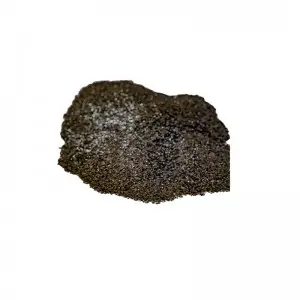
Flame Retardant Material for Casting-Related Applications
Casting parts are commonly used in machinery, valves, pumps, automotive parts, construction equipment, and industrial assemblies. These products often require coatings that can resist corrosion, abrasion, heat, and environmental exposure.
When flame retardant material is used in coating systems for casting parts, the formula needs to consider both safety and surface quality. The coating should provide reliable adhesion while maintaining stable performance under heat or mechanical stress.
Important considerations include:
- Compatibility with epoxy, polyester, or hybrid powder coating systems.
- Thermal stability during powder coating curing.
- Good dispersion to avoid uneven flame-retardant performance.
- Minimal impact on coating color, gloss, and mechanical strength.
- Balanced use with lubricant additives to improve coating appearance and processing.
This makes Flame Retardant For Powder Coatings a practical solution for industries that need both durable finishing and improved fire safety.
How to Choose Flame Retardant For Powder Coatings
Selecting the right flame retardant material should be based on the final product use and coating requirements. A low-cost additive may not always deliver stable performance, while an unsuitable material may affect coating quality.
When choosing a flame retardant, manufacturers should consider:
- Processing temperature: The material should remain stable during extrusion and curing.
- Resin compatibility: The additive must work well with the coating binder system.
- Flame-retardant efficiency: It should support the required fire safety performance.
- Surface effect: The formula should maintain acceptable gloss, texture, and smoothness.
- Mechanical properties: The coating should still have good adhesion, hardness, and impact resistance.
- Environmental requirements: Halogen-free or low-smoke options may be preferred for certain applications.
For complex formulations, it is also important to test the interaction between flame retardant material, lubricant, filler, pigment, and curing agent before mass production.
Applications of Flame Retardant Powder Coating Systems
Flame retardant powder coatings are used in many industries where safety and durability are both important. Compared with traditional coatings, powder coatings offer high material utilization, good mechanical performance, and cleaner production advantages.
Typical application fields include:
- Electrical and electronic equipment.
- Industrial machinery and protective covers.
- Building and construction materials.
- Metal cabinets and storage systems.
- Public transportation components.
- Casting parts and metal accessories.
- Household appliances and commercial equipment.
In these applications, Flame Retardant For Powder Coatings helps improve product value by adding an extra layer of fire protection while maintaining practical surface performance.
Building a Better Formula with Flame Retardant, Lubricant, and Functional Additives
A successful powder coating formula is not created by one additive alone. Flame retardant material improves fire resistance, lubricant additives improve processing and surface quality, and other components help adjust adhesion, hardness, flexibility, color, and weather resistance.
For industrial manufacturers, the goal is to build a stable formula that performs well in production and final use. This means the coating should be easy to process, easy to apply, visually acceptable, and able to meet safety expectations.
By selecting the right Flame Retardant For Powder Coatings and combining it with suitable lubricant and functional additives, companies can produce safer and more durable coated products for demanding industrial markets.
FAQ
1. What is Flame Retardant For Powder Coatings used for?
Flame Retardant For Powder Coatings is used to improve the fire resistance of powder-coated products. It helps slow ignition, reduce flame spread, and improve safety performance in industrial, electrical, construction, and machinery applications.
2. Can flame retardant material affect the surface quality of powder coatings?
Yes, some flame retardant materials may influence gloss, flow, texture, or mechanical properties. That is why the formula should be tested carefully, and lubricant additives may be used to improve powder flow and surface smoothness.
3. Why is lubricant important in flame-retardant powder coating formulas?
Lubricant helps improve processing performance, powder flow, dispersion, and film formation. In flame-retardant systems, it can help balance the formula and reduce surface defects caused by poor material compatibility or uneven dispersion.
4. Is Flame Retardant For Powder Coatings suitable for casting parts?
Yes, it can be used for coated casting parts when the formula is properly designed. For casting applications, the coating should have good adhesion, thermal stability, surface coverage, and compatibility with the selected flame retardant material and lubricant system.
Post time: Jun-23-2026