Graphite moulds play a crucial role in various industries, including manufacturing, metallurgy, jewelry production, electronics, and metal casting. Known for their durability, high-temperature resistance, and excellent thermal conductivity, graphite moulds help manufacturers efficiently produce intricate, high-precision, and high-quality products. This article provides comprehensive tips and insights for achieving effortless production success when using graphite moulds, covering material selection, mould design, precision machining, and maintenance practices.
Understanding Graphite Moulds
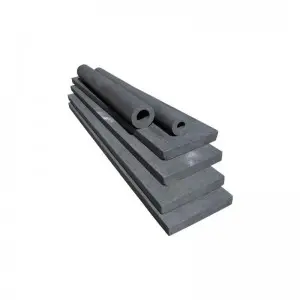
Graphite moulds are specialized tools used to shape materials into specific designs. Made from graphite—a carbon-based material with a high melting point and excellent heat resistance—these moulds are ideal for industries requiring precise temperature control and dimensional stability. Unlike metal or ceramic moulds, graphite moulds combine excellent thermal conductivity with low thermal expansion, allowing molten materials to cool evenly without compromising the structural integrity of the final product.
Common industries that benefit from graphite moulds include:
● Jewelry production – for intricate patterns and precision casting
● Electronics manufacturing – for precise thermal management of components
● Metal casting – including steel, aluminum, and copper alloys
● Glass and ceramic forming – where uniform heat transfer is critical
● EDM (Electrical Discharge Machining) – as a thermally stable tool material
Properties of Graphite Moulds
Graphite moulds possess a unique combination of physical and chemical properties that make them indispensable in modern production processes. Key properties include:
● High temperature resistance – capable of withstanding extreme temperatures without structural damage
● Excellent thermal conductivity – ensures uniform heat distribution and reduces defects caused by uneven cooling
● Low coefficient of thermal expansion – minimizes dimensional changes during heating and cooling cycles
● Chemical inertness – resistant to corrosion and reactions with most molten metals and chemicals
● High mechanical strength – durable enough to endure repeated use under high-pressure conditions
Sample Data of Graphite Mould Properties
| Property | Value |
|---|---|
| Temperature Resistance | Up to 3000°C |
| Thermal Conductivity | 125 W/mK |
| Coefficient of Expansion | 8.4 x 10^-6 /°C |
| Density | 1.85 – 1.95 g/cm³ |
| Compressive Strength | 70 – 130 MPa |
These properties make graphite moulds suitable for high-precision applications where thermal management, repeatability, and product quality are critical.
Tips for Successful Production with Graphite Moulds
Proper Mould Design
Mould design is fundamental to production efficiency and product quality. Factors to consider include:
● Material type – determines wall thickness, venting, and gating design
● Product geometry – complex shapes and fine details require precise design
● Cooling requirements – proper heat conduction paths minimize thermal stress and warping
A well-designed mould reduces scrap rates, improves cycle efficiency, and ensures consistent product quality across batches.
Optimal Material Selection
Choosing the right grade of graphite is crucial. Graphite is available in various grades, each with distinct thermal conductivity, density, and purity levels. High-purity grades are recommended for intricate castings or applications requiring minimal contamination. Lower-grade graphite may suffice for general applications but may wear faster or produce lower-quality surfaces.
Precision Machining
Precision machining ensures the mould meets required specifications, including:
● CNC milling and turning – for complex geometries with high dimensional accuracy
● Grinding and polishing – to achieve smooth surfaces and reduce product defects
● EDM (Electrical Discharge Machining) – for fine features that are difficult to achieve with conventional tools
High-precision machining minimizes errors, maintains consistency across production cycles, and enhances surface quality.
Regular Maintenance
Regular maintenance extends the life of graphite moulds and ensures stable performance. Recommended practices include:
● Cleaning – use soft brushes or compressed air; for stubborn residues, mild solvents can be applied and dried thoroughly
● Inspection – check for wear, cracks, or surface damage
● Repair – minor damage can be repaired using epoxy fillers or surface polishing
● Storage – keep in a dry, temperature-stable environment to prevent moisture absorption and degradation
Proper maintenance prevents production delays, reduces downtime, and maintains product quality.
Frequently Asked Questions (FAQ)
● Can graphite moulds be reused?
Yes, graphite moulds can be reused multiple times. Their lifespan depends on the material being cast, production frequency, and maintenance practices. Proper care can extend mould life for hundreds of production cycles.
● How do you clean graphite moulds?
Use a soft brush or compressed air. For stubborn residues, mild solvents can be applied followed by thorough drying.
● What are the common applications of graphite moulds?
Graphite moulds are widely used in jewelry making, metal casting, glass forming, electronics, and EDM processes due to their high thermal stability, excellent conductivity, and low thermal expansion.
Product Selection Recommendations
● High-purity graphite – ensures long-term performance and minimal contamination
● Grade and density – select based on temperature and mechanical requirements
● Design compatibility – ensure the mould design fits product geometry and production method
● Supplier reliability – choose reputable manufacturers providing consistent quality and technical support
● Machining and finishing capability – high-quality moulds should support CNC machining and polishing
Conclusion
Graphite moulds are essential tools for modern manufacturing, metallurgy, jewelry production, and electronics. Their combination of high temperature resistance, excellent thermal conductivity, chemical inertness, and mechanical strength enables manufacturers to produce complex, high-precision products efficiently. By following best practices in mould design, material selection, precision machining, and regular maintenance, production processes can be optimized, defect rates reduced, and product consistency ensured. Selecting high-quality graphite moulds from reputable suppliers, with careful consideration of grade, design, and application requirements, is key to effortless production success and maximizing manufacturing performance.
Post time: Jan-13-2026