Expandable graphite has become an increasingly important material in industries that require flame resistance, thermal management, sealing performance, and environmental safety. With growing demand for advanced fire-retardant materials and high-performance industrial solutions, expandable graphite is widely recognized for its versatility and efficiency.
Unlike traditional graphite materials, expandable graphite undergoes a dramatic volume expansion when exposed to high temperatures, forming an insulating protective layer. This unique characteristic makes it valuable across multiple industrial sectors, including construction, electronics, metallurgy, automotive manufacturing, and energy systems.
What Is Expandable Graphite
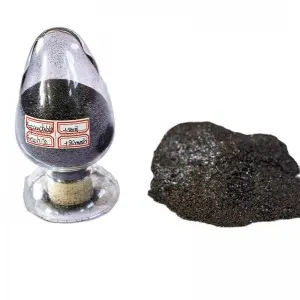
Expandable graphite is a specially processed graphite material produced by treating natural graphite flakes with chemical intercalation agents. After treatment, the graphite retains its layered structure but gains the ability to rapidly expand when heated.
When exposed to temperatures typically above 200°C, expandable graphite can expand several hundred times its original volume. During expansion, it forms a worm-like carbon structure that acts as a thermal barrier and oxygen shield.
This expansion process gives the material excellent fire-resistant and thermal insulation properties while maintaining many of the beneficial characteristics of natural graphite, such as chemical stability and conductivity.
Key Characteristics of Expandable Graphite
Expandable graphite offers a combination of physical and chemical properties that make it suitable for demanding industrial applications:
● High expansion ratio, creating an effective protective carbon layer under heat exposure
● Excellent flame-retardant performance without releasing toxic halogen gases
● Strong thermal stability, maintaining structural integrity at elevated temperatures
● Good electrical and thermal conductivity
● Chemical resistance against acids, alkalis, and industrial environments
● Low smoke generation during combustion applications
These characteristics make expandable graphite a preferred material for environmentally friendly and high-performance industrial solutions.
How Expandable Graphite Works
The unique functionality of expandable graphite comes from its layered crystal structure. During production, acids or other intercalation compounds are inserted between graphite layers.
When heated:
● The intercalated compounds decompose into gases
● Gas pressure forces graphite layers apart
● The graphite rapidly expands into a low-density carbon structure
● The expanded layer blocks oxygen and heat transfer
This mechanism helps slow down combustion, reduce heat spread, and protect underlying materials from thermal damage.
Main Industrial Applications of Expandable Graphite
Expandable graphite is widely used in industries where fire protection, sealing, or thermal control are critical.
Flame Retardant Materials
One of the most important uses of expandable graphite is in flame-retardant systems.
● Used in plastics, rubber, and polymer composites
● Improves fire resistance in building materials
● Reduces smoke density during combustion
● Helps meet environmental fire safety regulations
Compared with traditional halogen-based flame retardants, expandable graphite offers a cleaner and more environmentally friendly solution.
Fireproof Construction Materials
In the construction industry, expandable graphite is integrated into:
● Fire-resistant panels
● Insulation materials
● Fireproof coatings
● Sealing systems for buildings and tunnels
Its ability to expand under heat creates a protective barrier that delays structural damage during fire exposure.
Industrial Sealing and Gaskets
Expandable graphite is also widely used in sealing applications because of its thermal resistance and flexibility.
● High-temperature gaskets
● Valve sealing systems
● Pipeline sealing materials
● Chemical processing equipment
Expanded graphite sealing products maintain stability even under high pressure and temperature conditions.
Battery and Energy Applications
With the rapid growth of the energy sector, expandable graphite is increasingly used in:
● Lithium battery thermal management
● Fuel cell components
● Conductive materials
● Energy storage systems
Its conductivity and heat resistance make it suitable for advanced energy technologies.
Metallurgical and Foundry Applications
Expandable graphite can improve thermal insulation and reduce oxidation in high-temperature metal processing environments.
Applications include:
● Protective coatings
● Thermal insulation materials
● Refractory additives
● Heat shielding systems
Advantages of Expandable Graphite Over Traditional Materials
Expandable graphite offers several advantages compared with conventional flame-retardant or thermal insulation materials.
● Halogen-free and environmentally friendly
Traditional flame retardants may release toxic gases, while expandable graphite produces lower toxic emissions.
● High efficiency at lower loading levels
Smaller amounts can provide significant flame-retardant effects.
● Multi-functional performance
Provides fire resistance, conductivity, and thermal insulation simultaneously.
● Excellent durability
Maintains stability in harsh industrial environments.
● Improved safety compliance
Supports manufacturers in meeting stricter fire safety standards.
These benefits have increased the adoption of expandable graphite in modern industrial manufacturing.
Factors Affecting Expandable Graphite Performance
Several factors influence the effectiveness of expandable graphite in industrial applications:
● Expansion volume
Higher expansion ratios generally provide better fire protection.
● Particle size
Different particle sizes affect dispersion, coating quality, and reaction speed.
● Purity level
High-purity graphite improves consistency and thermal stability.
● Processing compatibility
Proper integration with polymers or coatings is essential for optimal performance.
● Heating conditions
Expansion efficiency depends on temperature and heating speed.
Manufacturers must carefully select specifications based on the intended application.
Future Development Trends
As environmental regulations become stricter and industries pursue safer materials, expandable graphite technology continues to evolve.
Key trends include:
● Development of ultra-high expansion graphite grades
● Improved compatibility with advanced polymers and composites
● Increased use in electric vehicle battery systems
● Growth in green building materials and fireproof infrastructure
● Expansion into aerospace and high-tech thermal management applications
These trends indicate strong future demand for expandable graphite products.
Conclusion
Expandable graphite is a highly versatile material that combines flame retardancy, thermal insulation, conductivity, and chemical stability in a single solution. Its unique expansion behavior under high temperatures makes it valuable in construction, energy, electronics, metallurgy, and industrial sealing applications.
As industries continue to prioritize safety, environmental sustainability, and performance efficiency, expandable graphite is expected to play an even more important role in advanced material technologies. By selecting suitable grades and optimizing application methods, manufacturers can fully utilize the advantages of expandable graphite to improve product safety and operational reliability.
FAQ
- What is expandable graphite mainly used for
Expandable graphite is mainly used for flame-retardant materials, fireproof construction products, industrial sealing, and thermal management systems. - How does expandable graphite improve fire resistance
When exposed to heat, it expands rapidly and forms a protective carbon layer that blocks heat and oxygen. - Is expandable graphite environmentally friendly
Yes, it is considered an eco-friendly flame-retardant material because it is halogen-free and produces lower toxic emissions during combustion. - Can expandable graphite be used in batteries
Yes, it is increasingly used in lithium battery thermal management and energy storage applications due to its conductivity and heat resistance.
Post time: May-07-2026