The Use Of Graphite in industrial production is not accidental. In many factories, graphite is selected because ordinary materials cannot easily handle the same combination of heat, friction, corrosion, conductivity, and repeated processing pressure. From graphite powder and graphite plates to graphite moulds, graphite crucibles, graphite blocks, and custom graphite parts, graphite materials are used in different forms to solve different production problems.
For buyers, graphite is not just a black carbon material. It is often chosen when a process needs stability under difficult conditions. A metal part may deform under heat, a ceramic part may be too brittle for certain machining needs, and ordinary refractory materials may not offer the required conductivity or self-lubricating behavior. This is where graphite becomes valuable.
Graphite Is Often Chosen When Heat Becomes a Problem
In high-temperature production, material failure can happen quickly if the wrong material is used. Parts may soften, oxidize, deform, crack, or lose strength. Graphite is widely used because it can maintain stable performance in many heat-related applications.
The Use Of Graphite is common in:
- Furnace components;
- Heat treatment fixtures;
- Graphite crucibles;
- Graphite moulds;
- Sintering tools;
- Continuous casting parts;
- High-temperature support plates.
In these applications, graphite helps support stable heating and cooling cycles. It can also be machined into different shapes, which makes it useful for custom furnace parts and mould-related products.
Graphite Helps Reduce Friction Without Relying on Oil
Another important Use Of Graphite is lubrication. In some working environments, liquid oil or grease cannot perform well. High temperature, dust, heavy pressure, or chemical exposure may cause ordinary lubricants to evaporate, burn, or attract contamination.
Graphite has a layered structure, which allows it to reduce friction between contact surfaces. This is why graphite powder, graphite blocks, and graphite plates are often used in applications where dry lubrication or self-lubricating performance is needed.
Common examples include:
- Sliding components;
- Metal forming processes;
- Bearings and guide parts;
- Anti-seize materials;
- Machinery operating under high heat;
- Mould release applications.
For factories, this can reduce wear, lower maintenance frequency, and make production more stable.
Graphite Is Valuable in Casting and Mould Applications
Casting and forming processes require materials that can resist high temperature while also helping with release and surface quality. The Use Of Graphite in moulds, crucibles, and foundry-related products is closely connected with this requirement.
Graphite moulds are used because they can be machined into accurate cavities and withstand repeated heating. Graphite crucibles are used to hold molten metals in many melting processes. Graphite powder can be used in release agents, coatings, and casting support materials.
In casting production, graphite can help:
- Reduce sticking between molten metal and mould surfaces;
- Improve demoulding performance;
- Support smoother product surfaces;
- Reduce friction during forming;
- Maintain better dimensional stability during repeated use.
However, graphite products used for casting should be selected according to metal type, working temperature, mould design, and expected production cycle.
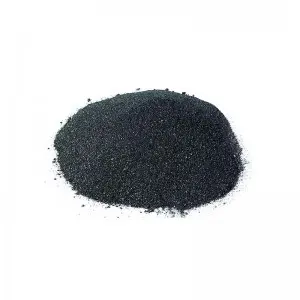
Graphite Supports Conductive and Electrochemical Processes
The Use Of Graphite is also important in electrical and electrochemical fields because graphite has electrical conductivity. Unlike many non-metallic materials, graphite can carry current while still offering heat resistance and chemical stability.
Graphite may be used in:
- Electrodes;
- Conductive plates;
- Electrolysis equipment;
- Battery-related components;
- EDM materials;
- Electrical contact parts;
- Electrochemical processing systems.
In these applications, buyers need to consider purity, density, resistivity, machining accuracy, and contamination control. A graphite part that works well in a furnace may not automatically meet the requirements of an electrical or battery-related process.
Chemical Resistance Makes Graphite Useful in Harsh Media
Some industrial environments expose materials to acids, corrosive gases, chemical liquids, or aggressive processing conditions. In these situations, graphite may be selected because it can resist many chemical media better than some metals.
Graphite plates, blocks, sealing parts, and custom graphite components may be used in chemical equipment, heat exchangers, corrosion-resistant linings, and electrochemical systems.
For chemical-related use, buyers often need to confirm:
- Whether the graphite needs impregnation treatment;
- Whether low porosity is required;
- Whether the material will contact liquid, gas, or vapor;
- Whether strength, sealing, or corrosion resistance is the priority;
- Whether the part must be machined according to equipment drawings.
The correct graphite grade and treatment method can make a major difference in service life.
Custom Graphite Parts Solve Process-Specific Problems
One reason the Use Of Graphite is so broad is that graphite can be machined into many customized shapes. Standard products such as graphite powder or graphite plates are common, but many industrial users need graphite parts based on drawings.
Custom graphite products may include:
- Graphite moulds;
- Graphite crucibles;
- Graphite plates;
- Graphite blocks;
- Graphite rods;
- Furnace graphite parts;
- Graphite sealing components;
- Special graphite parts with holes, grooves, threads, or cavities.
For custom graphite parts, the drawing is only one part of the requirement. Buyers should also provide working temperature, application environment, contact material, tolerance needs, and previous failure problems if available.
This helps avoid producing a part that looks correct but fails in real production.
FAQ
1. What is the main Use Of Graphite in industry?
The main Use Of Graphite includes high-temperature furnace parts, graphite moulds, graphite crucibles, industrial lubrication, casting materials, conductive components, chemical-resistant parts, and custom machined graphite products.
2. Why is graphite used in high-temperature applications?
Graphite is used in high-temperature applications because it can remain stable under heat, support repeated heating and cooling, and be machined into different shapes for furnaces, moulds, and thermal processing equipment.
3. Can graphite be used for lubrication?
Yes. Graphite can act as a solid lubricant because of its layered structure. It is often used where oil or grease may fail due to high temperature, dust, pressure, or chemical exposure.
4. How should buyers choose graphite products?
Buyers should choose graphite products based on application, working temperature, graphite grade, density, purity, size, tolerance, surface finish, and whether custom machining is required.
Post time: Jul-15-2026