Choosing graphite material for a high-temperature application is not simply a matter of finding a grade with a high temperature rating. Two graphite materials can both be described as suitable for high-temperature use while behaving differently during machining, heating, chemical exposure, electrical operation, or repeated production.
The more useful approach is to start with the job the graphite needs to perform. Is it being used as a structural component, a conductive part, a heat-transfer component, a processing tool, or a consumable material? Once the function is clear, properties such as purity, density, grain structure, thermal conductivity, electrical resistivity, and machinability can be evaluated according to their actual importance.
Why Does the Same Graphite Material Perform Differently in Different Applications?
Graphite is not a single uniform material. Its performance depends on how the graphite is produced and structured, as well as how it is processed into the final component. Grain size, porosity, density, and orientation can all influence the way a graphite material behaves.
For example, a material designed for a component that must carry electrical current has different priorities from one used mainly as a sliding or contact material. A graphite part used in a vacuum furnace may also have different requirements from one exposed to a chemically active atmosphere.
This means that “high-temperature graphite” is better understood as a category rather than a complete material specification. The application determines which properties need to be controlled most carefully.
Which Graphite Properties Matter Most?
There is no universal ranking of graphite properties because the requirements change with the application. However, several characteristics are commonly useful when comparing materials:
- Purity: Important when ash or metallic impurities could interfere with the process.
- Density: Related to porosity, mechanical behavior, permeability, and material consistency.
- Grain size: Influences surface characteristics, machining behavior, strength, and some thermal and electrical properties.
- Thermal conductivity: Important when graphite needs to transfer or distribute heat efficiently.
- Electrical resistivity: A key consideration for electrodes, heating elements, and other electrically active components.
- Mechanical strength: Relevant when the material must withstand pressure, vibration, handling, or structural loading.
- Porosity: Can affect gas penetration, fluid interaction, strength, and surface behavior.
- Machinability: Important when the final graphite component requires accurate CNC machining.
The key is not to select the material with the highest value for every property. Instead, identify which properties directly affect the intended application and then compare suitable grades.
When Does Graphite Purity Really Matter?
Purity becomes particularly important when impurities can enter the process or react with the material being processed. This can occur in applications involving sensitive products, controlled atmospheres, high temperatures, or environments where contamination can affect electrical, thermal, or chemical performance.
However, higher purity does not automatically mean better performance in every application. A material with extremely high purity may provide little additional value if the process is not sensitive to impurities, while other characteristics such as density, grain structure, or mechanical properties may have a greater effect.
A more practical evaluation asks what type and level of impurities are acceptable for the specific process. This avoids choosing graphite solely according to a purity percentage without considering how that percentage relates to actual production requirements.
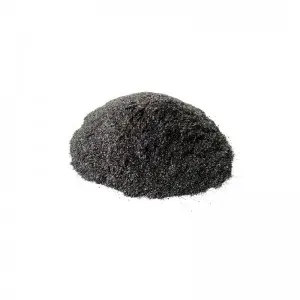
How Does Grain Size Change Graphite Performance?
Graphite grain size is an important characteristic that is sometimes overlooked when materials are compared only by purity or carbon content. Different grain structures can produce different combinations of surface finish, strength, machining behavior, and thermal characteristics.
Fine-grain graphite is often useful when a component requires detailed machining or a relatively smooth and precise surface. Coarser structures can be suitable for applications where other material characteristics take priority.
The important point is that grain size should be evaluated together with density and the intended manufacturing process. A graphite grade that performs well for one machined component may not provide the same balance of properties for another design.
Should Graphite Material Be Selected by Density?
Density can provide useful information about a graphite material, but it should not be considered in isolation. Differences in density are associated with differences in pore structure and can influence mechanical strength, permeability, thermal behavior, and machining response.
For applications where the graphite component must maintain structural integrity, density can be an important comparison point. In other applications, however, a lower-density material may be acceptable if the component does not experience significant mechanical loading and other characteristics are more important.
This is why density should be interpreted together with the application rather than treated as a simple “higher is better” specification.
How Does the Manufacturing Process Affect Graphite Material Selection?
The final machining process can change which graphite grade is practical. A complicated CNC component with narrow grooves, small holes, thin walls, or detailed surfaces requires material that can be machined accurately without excessive chipping or damage.
A simpler component may allow a wider range of materials. On the other hand, if a graphite component will be machined into a large number of identical parts, machining efficiency and tool wear may become important production considerations.
Before selecting a material, manufacturers should therefore consider not only the finished component but also how it will be produced. Useful questions include:
- How complex is the final geometry?
- How much material needs to be removed during machining?
- Are fine details or tight tolerances required?
- Will the component be produced individually or in large quantities?
- Is surface finish important?
- Will machining performance affect production cost?
These factors can prevent a material from looking suitable on paper but becoming inefficient during actual manufacturing.
What About Graphite Used in Chemically Active Environments?
Temperature is only one part of the operating environment. Some graphite components are exposed to gases, molten materials, chemicals, or process atmospheres that can gradually change the material or its surface.
In these applications, material compatibility becomes an important part of selection. The relevant question is not simply “Can graphite withstand the temperature?” but also “How will this graphite behave in contact with the actual process environment?”
Depending on the application, manufacturers may need to consider:
- Process atmosphere
- Potential chemical reactions
- Contact materials
- Exposure time
- Operating temperature
- Whether the graphite surface is protected or exposed
This broader evaluation can help identify material requirements that would otherwise be missed by a temperature-only comparison.
How Can You Avoid Choosing Graphite Based on Specifications Alone?
A material datasheet is useful for narrowing down options, but it does not always show how a graphite grade will behave in a specific production process. Small differences in structure or processing history can become important when the material is machined or subjected to demanding operating conditions.
A practical selection process can therefore follow three stages:
- Define the application: Identify the component’s function, operating environment, temperature, mechanical conditions, and expected service cycle.
- Screen material properties: Compare purity, density, grain structure, thermal and electrical properties, mechanical characteristics, and machinability according to the actual requirements.
- Verify with samples: Test representative material under realistic machining or operating conditions before committing to larger-scale production.
This approach is especially useful when replacing an existing graphite grade or developing a new graphite component. It focuses the comparison on actual performance instead of selecting a material because one specification appears attractive.
How Can Furuite Help With Graphite Material Selection?
Graphite material selection becomes more efficient when the supplier understands the final application rather than receiving only a request for “high-temperature graphite.” Furuite Graphite can evaluate material requirements based on the intended use and help narrow the selection according to relevant properties.
For a material inquiry, useful information includes:
- Final product or component type
- Operating temperature
- Working atmosphere
- Mechanical or electrical requirements
- Machining method
- Required dimensions or material form
- Expected production volume
- Main performance problem that needs to be solved
With these details, suitable graphite materials can be considered for sample evaluation before production-scale verification. This application-based approach can make it easier to determine whether purity, density, grain structure, thermal performance, electrical properties, or machinability should receive the greatest attention.
FAQ
Is graphite material suitable for all high-temperature applications?
Graphite is used across many high-temperature processes, but the appropriate grade depends on the operating environment and component requirements. Temperature alone is not enough to determine suitability.
Is higher graphite purity always better?
Not necessarily. Higher purity can be valuable when contamination is a concern, but density, grain structure, mechanical properties, thermal performance, or machinability may be more important in other applications.
Why is graphite grain size important?
Grain size can affect machining behavior, surface characteristics, strength, and other material properties. The appropriate structure depends on the geometry and operating requirements of the finished component.
What information should I provide when asking for graphite material?
Providing the application, operating temperature, atmosphere, component type, machining requirements, dimensions, and expected production conditions can help the supplier identify more relevant graphite materials and arrange more meaningful sample testing.
Post time: Sep-29-2026