Precision metal casting is a meticulous process that demands high-quality moulds to ensure flawless results. Among the various mould materials available, graphite moulds stand out for their unique combination of thermal stability, machinability, and durability. These attributes make them indispensable in producing intricate metal parts with exceptional precision. In this article, we explore the significance of graphite moulds in precision metal casting and provide insights into their advantages, design considerations, and practical applications.
Understanding Precision Metal Casting
Precision metal casting, often referred to as investment casting or lost-wax casting, is a time-tested manufacturing process known for producing highly detailed metal components. The process traces its origins back thousands of years and remains a cornerstone in industries requiring complex metal parts, including aerospace, automotive, electronics, and medical equipment manufacturing.
The casting process begins with the creation of a wax pattern of the desired component. This pattern is then coated with a ceramic slurry to form a hard shell. Once the ceramic shell has hardened, the wax is melted away, leaving a hollow cavity that replicates the shape of the final part. Molten metal is then poured into this cavity, solidifying to form the precise component. The success of this process largely depends on the quality of the mould material, which directly impacts surface finish, dimensional accuracy, and the replication of intricate details.
The Significance of Graphite Moulds in Precision Casting
Introduction to Graphite Moulds
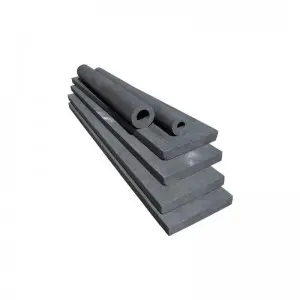
Graphite moulds have gained widespread recognition in precision casting due to their exceptional thermal resistance and machinability. Made from high-purity synthetic graphite, these moulds can withstand extreme temperatures without deformation, ensuring consistent and reliable casting outcomes. Graphite’s high thermal conductivity facilitates uniform heat distribution during the casting process, which helps prevent defects such as porosity or uneven solidification.
Advantages of Using Graphite Moulds
Graphite moulds provide multiple advantages over other materials, making them the preferred choice for demanding precision applications:
● High Thermal Stability: Graphite can endure high temperatures without significant dimensional changes, ensuring repeatable and consistent casting results.
● Excellent Surface Finish: The smooth, non-reactive surface of graphite moulds produces superior surface finishes, reducing the need for extensive post-processing.
● Dimensional Accuracy: Graphite’s machinability allows manufacturers to create highly intricate moulds with fine details, which is crucial for complex metal components.
● Cost-Effectiveness: While initial costs may be higher than alternative materials, the durability and reusability of graphite moulds make them a cost-efficient investment over time.
● Chemical Inertness: Graphite’s chemical stability ensures that it does not react with most molten metals, minimizing contamination and maintaining the quality of the final casting.
Key Considerations for Graphite Mould Design
The design of graphite moulds is as critical as the material itself. Several factors influence the casting quality and performance:
Material Selection
Selecting the appropriate graphite grade is essential. Different grades vary in purity, density, and thermal conductivity, all of which affect casting performance. High-purity graphite is typically preferred for complex and high-precision castings due to its low impurity levels and excellent machinability.
Design Complexity
The mould design must account for the geometry of the final component. Thin walls, sharp edges, and intricate details require precise machining to replicate the intended shape accurately. Proper design also ensures that the molten metal flows evenly, reducing the risk of defects.
Thermal Management
Managing heat within the mould is crucial to prevent thermal gradients that can cause uneven solidification. Incorporating venting, gating, and cooling systems within the graphite mould helps maintain uniform temperature distribution, minimizing the risk of cracks or shrinkage in the final metal part.
Longevity and Maintenance
Graphite moulds are durable but still require proper handling and maintenance. Avoiding excessive mechanical stress and thermal shocks extends their lifespan. Periodic inspection and cleaning ensure that the mould surface remains smooth and free of residues that could affect casting quality.
Graphite Moulds in Action: Performance Comparison
The benefits of graphite moulds are evident when compared with steel or ceramic alternatives. In a study evaluating surface finish and dimensional accuracy, graphite moulds consistently outperformed other materials:
| Mould Material | Surface Finish (Ra) | Dimensional Accuracy |
|---|---|---|
| Graphite | 0.2 µm | ±0.1 mm |
| Steel | 1.0 µm | ±0.3 mm |
| Ceramic | 0.5 µm | ±0.2 mm |
The data demonstrates that graphite moulds provide superior precision, making them ideal for applications that require both aesthetic perfection and functional reliability.
Frequently Asked Questions (FAQs)
Q: What are the main benefits of graphite moulds in precision metal casting?
A: Graphite moulds deliver high thermal stability, excellent surface finish, precise dimensional accuracy, chemical inertness, and cost-effectiveness, all of which are critical for high-quality casting.
Q: How does mould design influence casting outcomes?
A: Design aspects such as geometry, thermal management, and venting systems significantly affect metal flow and solidification. Well-designed graphite moulds replicate intricate details while preventing defects.
Q: Can graphite moulds be reused?
A: Yes, one of the advantages of graphite moulds is their reusability. With proper maintenance, they can produce multiple castings without compromising quality.
Q: Which industries benefit most from graphite moulds?
A: Industries requiring high-precision components—such as aerospace, automotive, electronics, medical devices, and tooling—benefit greatly from the use of graphite moulds.
Conclusion and Recommendations
Graphite moulds have proven themselves to be essential in the field of precision metal casting. Their thermal stability, machinability, chemical inertness, and ability to deliver flawless surface finishes make them indispensable for producing high-quality, intricate metal components. Manufacturers aiming for excellence in casting should prioritize investing in high-purity graphite moulds while paying attention to design complexity and thermal management.
By selecting graphite moulds as the foundation of your precision casting operations, companies can achieve exceptional results, reduce post-processing efforts, and ensure consistent production quality. For those committed to precision and reliability, graphite moulds are not just an option—they are a necessity.
Post time: Dec-25-2025