Natural graphite has become one of the most strategically important industrial materials in global manufacturing. From electric vehicle batteries and renewable energy storage to steelmaking, refractories, lubricants, and high-tech applications, the price of natural graphite influences supply chain costs, procurement strategies, and investment decisions for B2B buyers across multiple industries. Understanding the Natural Graphite Price trend is essential for traders, OEMs, miners, energy companies, and large-scale industrial users who depend on stable and predictable material sourcing.
This article provides an in-depth overview of pricing trends, cost drivers, demand growth, and the industry dynamics that shape global natural graphite pricing.
What Is Natural Graphite and Why Does the Price Matter?
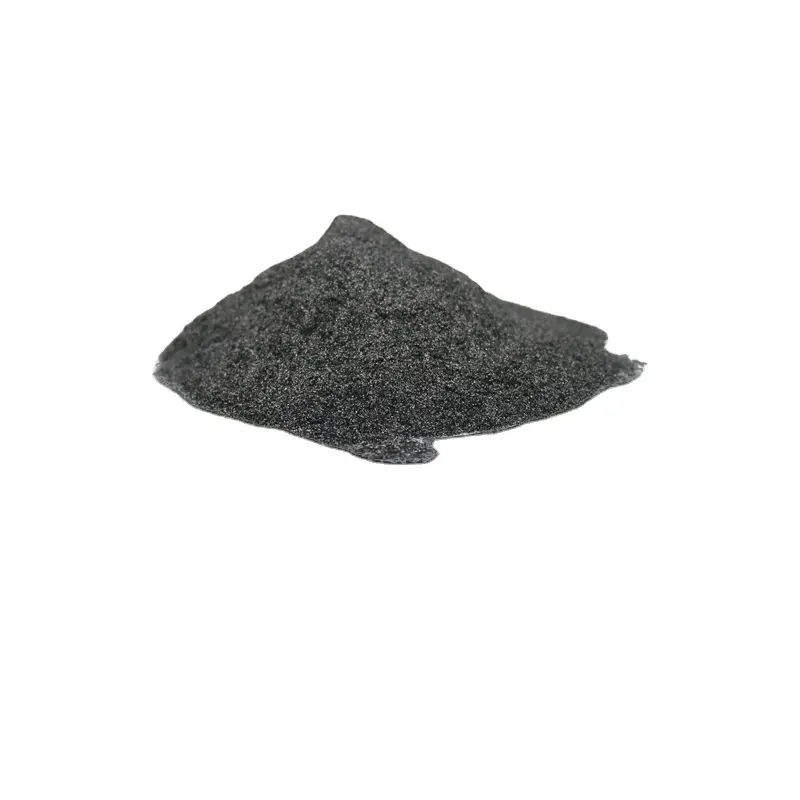
Natural graphite is a crystalline form of carbon and is extracted from flake deposits or vein formations. Its unique properties make it irreplaceable in energy storage technology and industrial manufacturing.
Natural graphite price matters because it directly impacts:
• Battery production costs in EV and energy storage sectors
• Procurement and raw material budgets for manufacturers
• Long-term supply chain planning for heavy industry
• Future innovation in materials technology
The importance of natural graphite has increased sharply due to global electrification and large-scale investments in renewable energy.
Key Factors That Influence Natural Graphite Price
Natural graphite pricing is shaped by a combination of supply, demand, regional regulations, logistics, and production technology.
The primary cost drivers include:
• Mining cost and ore quality
• Processing, purification, and upgrade capability
• Logistics and shipping costs
• Energy consumption in processing
• Export restrictions and government policy
• Demand from downstream markets such as EV batteries
In addition, the price can fluctuate based on:
• Global economic conditions
• Technology breakthroughs in anode materials
• Emerging applications requiring high-purity graphite
As more industries transition to green energy, graphite has become a strategic raw material in the global economy.
Global Market Demand and Industry Growth
The natural graphite market is driven primarily by three industries: EV batteries, metallurgy, and refractories. However, the fastest-growing segment is lithium-ion battery manufacturing.
Major demand sectors include:
• EV battery anode material
• Energy storage systems
• Foundry and steelmaking
• Chemical and lubricants industry
• Electronics and high-tech materials
The price is highly sensitive to demand forecasts from the global automotive and renewable energy sectors, as gigafactory expansions continue worldwide.
Supply Chain and Global Distribution
Natural graphite production is geographically concentrated. Large-scale reserves and processing infrastructure play a key role in setting price benchmarks.
Key producing regions include:
• China
• Africa (Mozambique, Madagascar)
• Brazil
• Canada and Australia
Mining and processing capacity in these regions directly influences market price and availability. Upstream mining companies and downstream processors also affect cost through:
• Refining technology
• Flake size control
• Purity grade classification
Supply disruptions or political instability can lead to price volatility.
Price Trends and Market Cycle Analysis
Natural graphite price follows cyclical trends based on industrial investment and global economic development.
Common pricing patterns include:
-
Rising prices during expansion of EV and energy storage markets
-
Short-term volatility due to supply disruptions
-
Stable long-term outlook driven by clean energy policy
Analysts expect the price of natural graphite to remain resilient due to:
• Rapid electrification of transportation
• Battery manufacturing capacity growth
• Increasing investment in renewable energy infrastructure
Pricing may continue to rise as global demand exceeds supply.
Natural Graphite vs. Synthetic Graphite Price
The price relationship between natural and synthetic graphite is another key factor in industrial procurement.
Major differences:
• Synthetic graphite is typically more expensive
• Natural graphite has lower production cost
• Synthetic offers higher purity for some applications
• Natural graphite is preferred for cost-sensitive industries
For battery applications, the natural graphite price advantage is clear, especially in large-scale and grid-storage projects.
How Procurement Teams Can Manage Price Risk
Companies operating in graphite-intensive industries must plan strategically for material cost fluctuations.
Best practices include:
• Long-term supply agreements
• Supplier diversification
• Inventory planning and price-hedging mechanisms
• Understanding regional pricing differences
• Evaluating grade and purity specifications
Procurement teams that actively monitor market dynamics gain better cost control and operational stability.
Future Forecast for Natural Graphite Price
The long-term outlook remains strong due to the clean energy transition and government incentives for strategic mineral supply. Analysts expect demand to continue rising in the next decade.
Key long-term growth drivers include:
• EV adoption and battery gigafactories
• Renewable energy storage systems
• Material innovations for electronics
• Growing use of high-purity graphite in new technology
As industries scale their electrification projects, natural graphite price will continue to be a central economic factor.
Conclusion
Natural graphite price has become a major determinant of cost and competitiveness in global manufacturing. Its role in batteries, energy storage, steelmaking, and advanced materials guarantees long-term demand and continued price growth. Companies that track price trends, understand supply chain dynamics, and work with reliable suppliers will have a competitive advantage in procurement and production planning.
FAQ
1. What industries influence natural graphite price the most?
EV batteries, energy storage, metallurgy, and refractories are the primary drivers.
2. Why is natural graphite price rising?
The growth of renewable energy and battery manufacturing increases demand and supply constraints.
3. Is natural graphite cheaper than synthetic graphite?
Yes, natural graphite typically has lower production cost and is preferred for cost-sensitive applications.
4. How can companies manage graphite price volatility?
Through long-term sourcing agreements, diversification, and supplier evaluation
Post time: Dec-02-2025