When purchasing graphite raw materials, manufacturers often compare carbon content, flake size, and price. However, meeting the required specifications in one delivery does not necessarily guarantee consistent performance in future production. Differences between batches can affect material handling, processing conditions, and the quality of finished products.
A reliable Natural Flake Graphite Product should do more than meet initial technical requirements. It should maintain consistent characteristics across repeated deliveries so manufacturers can avoid unnecessary process adjustments and maintain stable production. Understanding what causes batch variation and how to evaluate product consistency can help buyers make better purchasing decisions.
Why Batch Consistency Matters in Natural Flake Graphite Production
Natural flake graphite is a mineral material whose characteristics are influenced by its original deposit and subsequent processing. Differences in raw material selection, beneficiation, screening, and purification may affect the quality of the finished product.
For manufacturers, the main concern is whether different deliveries can provide similar material characteristics under the same production conditions. For example, a manufacturer may establish a formulation using a particular graphite grade. If a later delivery contains a different particle size distribution or impurity level, the original formulation may no longer produce exactly the same results. Operators may need to adjust material proportions or processing conditions to compensate.
Therefore, selecting a Natural Flake Graphite Product should involve evaluating both the quality of an individual batch and the supplier’s ability to maintain consistency over time.
What Causes Quality Variations Between Graphite Batches?
Differences in Raw Material Sources
Natural flake graphite comes from mineral deposits, and its characteristics may vary depending on geological conditions. Different raw materials can contain varying proportions of graphite, associated minerals, and impurities. If raw materials are not properly classified and controlled before processing, the finished products may show differences in carbon content, ash content, or flake characteristics.
Processing and Particle Classification
Beneficiation, purification, and screening directly influence the characteristics of finished graphite. Inadequate control during these processes may result in variations in particle size distribution or chemical composition. For example, two batches may have similar average particle sizes but different proportions of fine and coarse flakes. This difference can influence material flow, mixing behavior, and subsequent processing.
Storage and Handling Conditions
Storage and transportation can also affect the condition of graphite before it reaches the customer. Moisture exposure, contamination, and improper handling may create problems during storage, feeding, or production. Although these factors may not change every chemical property of graphite, they can affect its practical usability. Proper packaging, storage, and material handling are therefore important parts of maintaining product quality.
How Inconsistent Graphite Quality Affects Manufacturing
Particle size and material handling
Particle size distribution affects how graphite flows, mixes, and combines with other materials. A higher proportion of fine particles may increase dust generation, while differences in flake size can influence mixing behavior.
If these characteristics change between deliveries, manufacturers may need to adjust feeding methods or mixing conditions. This can reduce process stability and increase the time required for production control.
Carbon content and formulation accuracy
Carbon content is one of the key specifications when selecting a Natural Flake Graphite Product. Manufacturers using graphite in material formulations need to maintain the intended composition.
If carbon content varies between batches, the amount of graphite required to achieve a target formulation may also change. Without proper inspection, these differences can affect formulation accuracy and create inconsistencies in the finished material.
Impurities and product requirements
Ash content and other mineral impurities are also important when evaluating natural flake graphite. Their influence depends on the application and the quality requirements of the final product.
For processes that require strict material composition, unexpected changes in impurity levels may create additional quality control challenges. Buyers should identify which impurities are relevant to their applications and establish suitable acceptance criteria before purchasing.
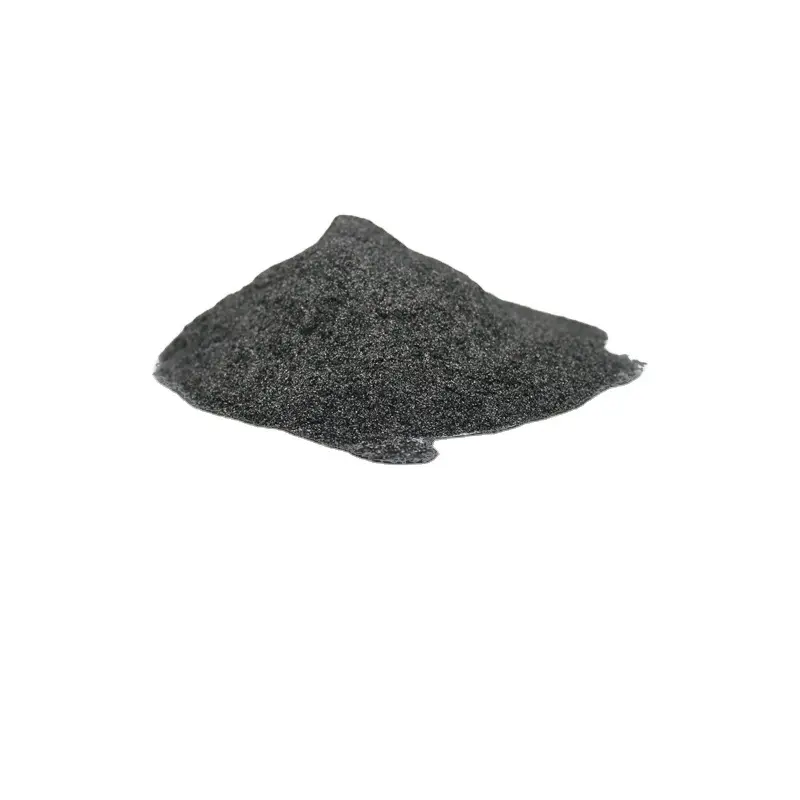
Why a Successful Sample Test Is Not Enough
Testing a sample is an important step when evaluating a new graphite supplier. It allows manufacturers to check whether the material meets their initial requirements and performs appropriately in a specific production process.
However, a satisfactory sample does not automatically guarantee consistent quality in future deliveries.
A sample represents only a limited portion of a product batch. It cannot independently demonstrate whether the supplier can maintain stable raw material selection, processing conditions, and inspection standards across multiple production runs.
Before placing repeat orders, manufacturers should consider several questions:
- Can the supplier provide inspection records for individual batches?
- Are product grades and acceptance requirements clearly defined?
- Are particle size distribution and chemical composition regularly checked?
- Does the supplier evaluate quality changes when raw materials or processing methods change?
- Can the supplier maintain agreed specifications across repeat deliveries?
How to Evaluate a Natural Flake Graphite Supplier
| Evaluation factor | What to examine | Purchasing value |
|---|---|---|
| Product specifications | Carbon content, ash content, moisture, and particle size | Confirms material suitability |
| Batch inspection | Test results and batch identification | Helps track quality changes |
| Processing control | Raw material selection, purification, and screening | Indicates how product consistency is managed |
| Sample evaluation | Whether samples represent the intended product grade | Reduces material selection risks |
| Supply capability | Ability to maintain agreed product requirements | Supports ongoing production |
It is also important to establish clear acceptance criteria before placing an order. Buyers should identify which characteristics are essential to their applications and communicate acceptable variation ranges to the supplier.
Not every manufacturer needs the same level of quality control. A general-purpose graphite application may allow greater variation than a process with strict material composition requirements. Supplier evaluation should therefore reflect the actual production environment rather than relying on a universal specification.
Practical Ways to Reduce Purchasing Risks
First, define the application before selecting a product. Identify the required carbon content, particle size range, impurity limits, and other relevant characteristics. This prevents purchasing decisions from being based only on price or one headline specification.
Second, maintain records of incoming batches. Comparing inspection reports with production feedback over time makes it easier to identify changes in material characteristics and determine whether they affect processing.
Third, establish a consistent testing procedure when evaluating new deliveries. If production adjustments are necessary, changing one process variable at a time can help identify whether the issue comes from the graphite itself or from processing conditions.
Finally, communicate quality requirements before repeat purchasing. Clear agreements on product grade, inspection procedures, and acceptance criteria help both buyers and suppliers maintain consistent expectations.
These measures cannot eliminate every production variable, but they can make material evaluation more systematic and reduce avoidable purchasing problems.
Natural Flake Graphite Product Supply for Long-Term Production Needs
Different manufacturing processes require different natural flake graphite characteristics. Some applications prioritize carbon content, while others place greater emphasis on flake size, impurity levels, or consistency between deliveries.
Qingdao Furuite Graphite Co., Ltd. supplies graphite products, including natural flake graphite, for industrial applications. When selecting a Natural Flake Graphite Product, customers should communicate their intended application, required material characteristics, and processing conditions. This information helps determine which product grade is more suitable for their needs.
For manufacturers with recurring material requirements, product selection should also consider quality expectations across future orders rather than focusing only on the initial sample. Matching product characteristics with actual production requirements provides a more practical basis for evaluating a long-term supply relationship.
Conclusion
Batch consistency is an important consideration when selecting a Natural Flake Graphite Product for industrial manufacturing. Differences in raw materials, processing, particle size distribution, and impurity levels can influence material handling and production results.
Manufacturers should look beyond initial samples and product prices when evaluating suppliers. Checking batch records, defining acceptance criteria, and communicating application requirements can help reduce material-related risks and support more stable production.
FAQs
1. Can manufacturers request natural flake graphite with specific particle size requirements?
Product requirements can be discussed with the supplier based on the intended application. Buyers should clarify their target particle size range and other relevant specifications before confirming an order.
2. Does higher carbon content always indicate better natural flake graphite?
Not necessarily. Higher carbon content may be important for certain applications, but particle size, impurity levels, and processing suitability also influence product selection. The appropriate grade depends on the actual production requirements.
3. What should manufacturers do if a new graphite batch behaves differently during production?
They should first compare the new batch’s inspection records with previous deliveries. Checking particle size distribution, carbon content, moisture, and other relevant characteristics can help identify possible material differences before changing the production process.
4. Why is long-term supplier consistency important for graphite users?
Consistent material quality helps manufacturers maintain established formulations and processing conditions. It can also reduce repeated testing, process adjustments, and uncertainty when planning future production.
Post time: Nov-17-2026