Natural Flake Graphite is valued in many industrial applications not only because of its carbon content, but also because of its unique crystalline structure. The arrangement, size, and integrity of graphite flakes directly influence important properties such as lubrication, thermal conductivity, electrical conductivity, and high-temperature stability.
Unlike ordinary carbon materials, natural flake graphite contains naturally formed layered structures. These layers allow graphite to maintain specific physical characteristics during processing and use. Understanding how flake structure affects performance helps explain why different grades of natural flake graphite are selected for different industrial applications.
What Makes Natural Flake Graphite Different from Other Graphite Materials?
The main feature of natural flake graphite is its layered crystal structure. Carbon atoms inside graphite are arranged into connected sheets. The bonds within each layer are strong, while the forces between different layers are relatively weak, allowing the layers to slide against each other. This structure creates several important characteristics. In friction-related applications, the ability of graphite layers to move helps reduce direct contact between surfaces. In thermal applications, the organized carbon structure supports heat transfer. For electrical applications, the connected graphite layers can provide pathways for conductivity. Compared with amorphous graphite and other carbon materials, natural flake graphite usually maintains a more ordered structure. This structural difference is one of the main reasons it performs differently in industrial materials and processing systems.
How Does Flake Structure Affect Natural Flake Graphite Performance?
The performance of natural flake graphite is closely related to the size and condition of its flakes.
Large flake graphite generally retains a more complete layered structure. Because fewer layers are damaged during processing, it can provide better structural stability and stronger expansion characteristics in certain applications. This makes it suitable for products where maintaining graphite structure is important. Smaller flake graphite usually offers better dispersion and mixing ability. In applications where graphite needs to be evenly distributed throughout another material, smaller particles may provide processing advantages.
However, larger flakes are not always better. The most suitable graphite depends on the final application requirements, processing method, and expected material performance. Selecting graphite based only on particle size without considering the complete application environment may not achieve the desired results.
Why Is Crystal Structure Important in Industrial Applications?
The value of natural flake graphite comes from how its structure interacts with different material systems. In lubrication applications, graphite flakes can form a low-friction layer between surfaces. The weak bonding between graphite layers allows them to move under pressure, helping reduce wear in certain operating conditions.
In high-temperature materials, graphite’s stable carbon structure allows it to maintain performance when exposed to heat. This characteristic is especially useful in applications where materials need to withstand thermal changes without losing structural integrity. In conductive materials, graphite flakes can create conductive networks within a material system. The effectiveness depends on factors such as graphite purity, particle distribution, and how well the flakes connect with each other.
Main Applications of Natural Flake Graphite
Refractory Materials
Natural flake graphite is widely considered for refractory applications that require high-temperature resistance and thermal stability. Its layered structure can help improve resistance to thermal shock by allowing some flexibility within the material. In products exposed to repeated heating and cooling cycles, graphite can help maintain material performance and reduce the risk of cracking caused by temperature changes.
Lubrication Materials
The sliding characteristics of graphite layers make natural flake graphite useful in various lubrication-related applications. Unlike some liquid lubricants that may lose effectiveness under extreme temperatures, graphite can maintain lubrication properties in suitable high-temperature environments. The actual performance depends on factors such as graphite grade, particle size, operating conditions, and the surrounding environment.
Conductive Materials
Natural flake graphite is also used in some conductive applications because of its ability to transfer electrical current. The distribution of graphite particles within the final material is an important factor. A well-connected graphite structure can improve conductivity, while poor dispersion may reduce the effectiveness of the conductive network.
Composite Materials
When added to composite materials, natural flake graphite can improve certain properties, including thermal performance, electrical conductivity, and wear resistance. The final effect depends on the relationship between graphite flakes and the base material. Proper material selection and processing are important to achieve consistent performance.
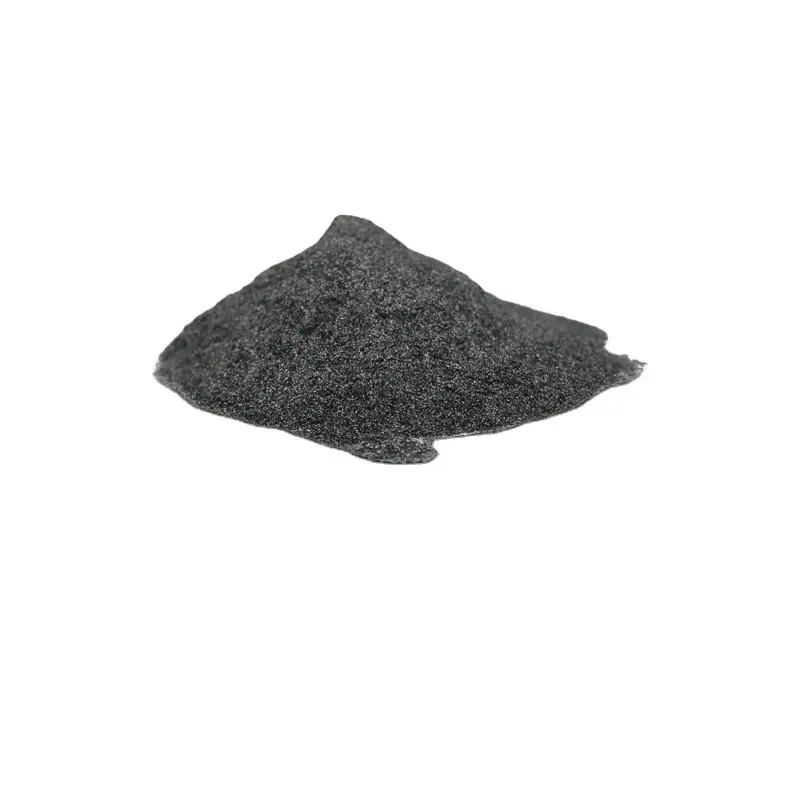
Key Factors That Influence Natural Flake Graphite Quality
Although flake structure plays an important role, several other factors determine the suitability of natural flake graphite for specific applications.
Fixed carbon content is an important indicator of graphite purity. Higher carbon content usually means fewer mineral impurities, which can be important in applications requiring stable performance. Flake integrity affects how well graphite maintains its original structure during processing. Excessive mechanical treatment may reduce flake size and change some performance characteristics.
Particle size distribution influences processing behavior and final material properties. Different applications may require different combinations of particle sizes to achieve the desired balance between performance and processability. Impurity levels can also affect application suitability. Industries with strict performance requirements may need graphite with controlled impurity content to ensure stable operation.
Common Misunderstandings About Natural Flake Graphite
One common misunderstanding is that graphite quality depends only on carbon content. While purity is important, it does not fully determine performance. Flake size, crystal structure, and processing methods also influence the final results.
Another misunderstanding is that the largest possible flakes always provide the best performance. In reality, different applications require different graphite characteristics. Some applications benefit from large flakes, while others require smaller particles for better dispersion. The best choice depends on matching graphite properties with the requirements of the final product.
Understanding Natural Flake Graphite Before Application
Selecting natural flake graphite requires more than comparing individual specifications. A complete evaluation should consider the relationship between graphite structure, processing conditions, and the intended application. Factors such as flake size, carbon content, purity, and operating environment all influence final performance. Understanding these factors allows users to choose a graphite material that better matches their technical requirements.
Conclusion
Natural Flake Graphite provides unique value because of its natural layered structure. The size and arrangement of graphite flakes influence important properties such as lubrication, thermal stability, electrical conductivity, and compatibility with different materials.
Different industrial applications require different graphite characteristics. By understanding how flake structure affects performance, users can better evaluate natural flake graphite and select materials that meet specific application requirements.
Frequently Asked Questions
1. What Problems Can Natural Flake Graphite Help Solve in Industrial Applications?
Natural flake graphite helps improve properties such as thermal stability, lubrication performance, heat transfer, and material durability. Its layered structure allows it to provide different benefits depending on the application environment.
2. Why Is Natural Flake Graphite Preferred for High-Temperature Environments?
Natural flake graphite has a stable carbon structure that allows it to maintain performance under elevated temperatures. Its flake structure also helps materials better handle thermal stress and temperature changes.
3. How Does Processing Affect the Performance of Natural Flake Graphite?
Processing methods can influence flake size, structural integrity, and material performance. Excessive crushing or grinding may reduce some advantages of natural flake graphite, while suitable processing can maintain characteristics required for specific applications.
4. How Should Natural Flake Graphite Be Evaluated for Different Applications?
Evaluation should consider multiple factors, including fixed carbon content, flake structure, particle size, purity, and operating conditions. Different industries focus on different properties depending on their performance requirements.
Post time: Oct-13-2026