Graphite recarburizer has become an essential additive in steelmaking, foundries, and metallurgical operations where precise carbon control is critical. In modern manufacturing, maintaining consistent chemical composition and mechanical properties is a top priority. Excess or insufficient carbon in molten metal can compromise hardness, strength, wear resistance, and overall product quality. Graphite recarburizer provides a reliable solution for carbon supplementation, helping industrial operators achieve optimal metal characteristics while maintaining production efficiency.
For B2B procurement and engineering teams, selecting the right recarburizer is more than a routine material choice—it directly affects process stability, product performance, and cost-effectiveness. Compared to traditional carbon sources such as coke or coal, graphite recarburizer offers higher carbon purity, reduced impurities, and superior absorption efficiency in molten metal, making it increasingly preferred in high-grade steel and iron production.
Understanding Graphite Recarburizer
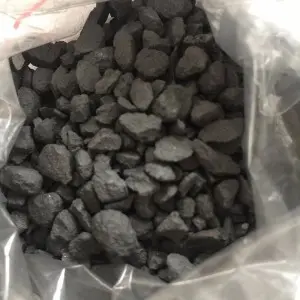
Graphite recarburizer is a carbon-rich material typically derived from petroleum coke or synthetic graphite, processed at high temperatures to achieve high purity. Its primary function is to increase the carbon content in molten iron or steel during melting, refining, or casting operations.
Key characteristics of graphite recarburizer include:
● High fixed carbon content, usually above 98%
● Low levels of sulfur, phosphorus, and ash
● Consistent chemical composition
● Efficient dissolution in molten metal
The crystalline graphite structure allows rapid and predictable carbon absorption, ensuring stable metal properties throughout production.
Manufacturing Process and Material Properties
The quality of graphite recarburizer is strongly influenced by its manufacturing process. High-purity petroleum coke or synthetic graphite undergoes calcination or graphitization at extremely high temperatures. This process removes volatile matter and impurities while enhancing the carbon content and thermal stability.
Important material properties resulting from this process include:
● Strong resistance to oxidation and thermal degradation
● Low gas generation during melting
● Uniform particle size distribution for controlled dissolution
● High density and stability under high-temperature metallurgical conditions
These characteristics make graphite recarburizer suitable for applications requiring precise control of carbon content and high-quality steel or cast iron products.
Applications in Steelmaking and Foundry Operations
Graphite recarburizer is widely applied wherever accurate carbon control is essential. Its versatility allows it to perform reliably across multiple production stages and metallurgical processes.
Common application areas include:
● Carbon adjustment in electric arc furnace (EAF) and induction furnace steelmaking
● Cast iron production in foundries
● Secondary refining to correct carbon levels
● Improving mechanical properties in finished steel and iron components
By ensuring consistent carbon content, graphite recarburizer contributes to enhanced hardness, tensile strength, wear resistance, and overall durability of metallic products.
Advantages Over Conventional Recarburizers
Compared to traditional coke-based or coal-based recarburizers, graphite recarburizer offers several advantages highly relevant to industrial B2B applications.
These advantages include:
● Faster and more complete carbon dissolution in molten metal
● Lower introduction of impurities such as sulfur and phosphorus
● Reduced slag formation during melting
● Stable and predictable carburization efficiency
These benefits support more consistent product quality, reduced material wastage, and improved process control in high-volume steel and iron production.
Factors Affecting Carbon Absorption Efficiency
The effectiveness of graphite recarburizer is influenced by both material properties and operational parameters. Understanding these factors helps metallurgical engineers optimize carbon control.
Critical factors include:
● Particle size and distribution of the recarburizer
● Timing and method of addition to molten metal
● Furnace type, temperature, and agitation
● Composition of the molten metal and presence of other alloying elements
Proper control of these variables ensures maximum carbon absorption efficiency, reduced loss, and minimal contamination.
Quality Standards and Specifications
High-quality graphite recarburizer is manufactured under strict technical specifications to ensure consistent performance in metallurgical operations.
Important quality parameters include:
● Fixed carbon percentage and purity
● Sulfur and phosphorus limits
● Moisture content and ash levels
● Granule size range or powder particle size distribution
Compliance with recognized industrial standards allows manufacturers to integrate graphite recarburizer confidently into steelmaking and casting processes without compromising product quality or safety.
Storage, Handling, and Operational Considerations
Proper storage and handling are essential to maintaining graphite recarburizer’s performance. Exposure to moisture, contamination, or improper storage conditions can reduce carbon absorption efficiency and increase waste.
Recommended practices include:
● Storing in dry, well-ventilated areas
● Protecting from contact with water, oil, or dust
● Using sealed packaging during transport
● Following standardized feeding procedures during addition to molten metal
By adhering to these guidelines, operators can maintain consistent production results and minimize operational risks.
Conclusion
Graphite recarburizer is indispensable in modern metallurgy, providing precise and reliable carbon supplementation for steel and iron production. Its high purity, predictable dissolution, and compatibility with advanced metallurgical processes make it a preferred choice for B2B industrial operations. By understanding its properties, applications, and operational considerations, manufacturers can optimize carbon control, improve metal quality, and achieve more efficient and stable production outcomes.
FAQ:
What is the primary function of graphite recarburizer?
It is used to increase and stabilize the carbon content in molten steel or iron during melting, refining, or casting.
How does graphite recarburizer compare to coke-based recarburizers?
Graphite recarburizer offers higher carbon purity, lower impurity levels, faster dissolution, and more predictable performance.
Which industries commonly use graphite recarburizer?
Steelmaking, foundries, casting operations, and other metallurgical industries that require precise carbon control.
What factors influence the effectiveness of graphite recarburizer?
Particle size, addition timing, furnace conditions, molten metal composition, and stirring or agitation all affect carbon absorption efficiency.
Post time: Jan-29-2026