Graphite sheets have become an essential material in various industrial applications due to their unique thermal, electrical, and mechanical properties. From electronics to automotive and aerospace sectors, these sheets offer versatile solutions that enhance efficiency, reliability, and safety. Understanding what a graphite sheet is, its properties, and applications is crucial for B2B companies looking to optimize production processes and material performance.
Understanding Graphite Sheets
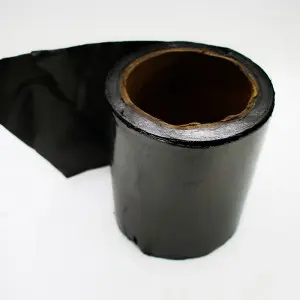
A graphite sheet is a thin, flexible material made from compressed or exfoliated graphite. Unlike regular graphite blocks or powders, graphite sheets combine flexibility with high thermal and electrical conductivity. They are widely used in applications that require heat dissipation, EMI shielding, sealing, or chemical resistance.
Graphite sheets can be manufactured in various forms, including flexible graphite sheets, expanded graphite sheets, and laminated graphite sheets. Each type offers specific advantages depending on the intended industrial use.
Key Properties of Graphite Sheets
● High Thermal Conductivity: Efficiently transfers heat, making it ideal for thermal management in electronics and high-temperature machinery.
● Electrical Conductivity: Provides excellent conduction properties, suitable for EMI/RFI shielding and electrical applications.
● Chemical Resistance: Remains stable under exposure to acids, bases, and solvents.
● Flexibility and Strength: Can be bent, folded, or compressed without losing performance.
● Low Coefficient of Thermal Expansion: Maintains dimensional stability under temperature fluctuations.
Industrial Applications of Graphite Sheets
Graphite sheets are widely used in industries where thermal and electrical management, chemical resistance, and durability are critical. Their versatility allows them to serve multiple roles in industrial processes.
● Thermal Management: Used in electronics, LED modules, and power supplies to dissipate heat efficiently.
● EMI/RFI Shielding: Protects sensitive electronic components from electromagnetic interference.
● Gaskets and Seals: Provides reliable sealing solutions in chemical, automotive, and industrial machinery.
● Battery Components: Enhances thermal conductivity and stability in lithium-ion and other battery systems.
● Automotive and Aerospace Applications: Used for heat shields, insulation, and vibration damping in high-performance vehicles and aircraft.
Advantages of Using Graphite Sheets
● Enhanced Efficiency: Improves heat and electrical management in critical industrial applications.
● Durable and Long-Lasting: Maintains performance under high temperatures, chemicals, and mechanical stress.
● Cost-Effective Solution: Replaces more expensive or less efficient materials while reducing maintenance and downtime.
● Eco-Friendly Material: Graphite sheets are often made from natural graphite with minimal processing, reducing environmental impact.
Best Practices for Industrial Use
● Select the appropriate type of graphite sheet based on thermal, electrical, or chemical requirements.
● Ensure proper installation in electronics or machinery to maximize conductivity and heat dissipation.
● Store sheets in a dry environment to prevent moisture absorption, which may reduce performance.
● Partner with reputable suppliers to guarantee consistent quality and certification compliance.
Conclusion
Graphite sheets are versatile materials that provide unique solutions for thermal management, EMI shielding, sealing, and chemical resistance across industries. Their high thermal and electrical conductivity, durability, and flexibility make them an essential component for B2B operations in electronics, automotive, aerospace, and industrial machinery. Selecting the right graphite sheet and working with reliable suppliers can significantly enhance efficiency, reduce costs, and improve product performance.
FAQ
Q: What materials are graphite sheets typically made from?
A: Graphite sheets are usually made from natural or exfoliated graphite, sometimes combined with binders or laminated with metal foils for specific applications.
Q: Can graphite sheets be used in high-temperature applications?
A: Yes, graphite sheets maintain their performance under high temperatures, making them ideal for thermal management and heat shielding.
Q: How do graphite sheets differ from graphite powder or blocks?
A: Unlike powders or rigid blocks, graphite sheets are flexible and can be easily shaped or compressed while retaining thermal and electrical properties.
Q: Are graphite sheets suitable for battery applications?
A: Absolutely, they improve thermal conductivity and stability, enhancing the performance and safety of lithium-ion and other battery types.
Post time: Mar-05-2026