Graphite recarburizer is a critical additive in modern steelmaking and foundry operations, widely valued for its ability to precisely adjust carbon content and enhance the mechanical performance of steel products. As steel applications continue to demand higher strength, durability, and consistency, graphite recarburizer has become an indispensable material for producers seeking stable quality and cost efficiency. This article explores what graphite recarburizer is, how it works, its key benefits, typical applications, and why it plays a vital role in improving steel quality.
Understanding Graphite Recarburizer
What Is Graphite Recarburizer?
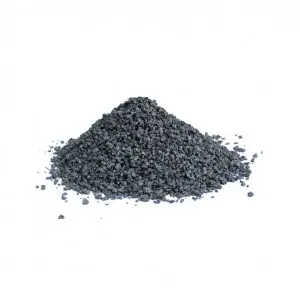
Graphite recarburizer, sometimes referred to as calcined anthracite coal or carbon additive, is a high-carbon material used to increase or fine-tune the carbon content in molten steel or iron. Carbon is one of the most important elements in steel, directly influencing hardness, strength, wear resistance, and overall mechanical behavior.
During steelmaking, carbon can be lost through oxidation at high temperatures. Graphite recarburizer is added to compensate for this loss and to achieve the target carbon level required by specific steel grades.
Composition of Graphite Recarburizer
Graphite recarburizer is primarily composed of fixed carbon, usually above 98%, with very low levels of sulfur, nitrogen, ash, and volatile matter. It is commonly produced by calcining high-quality anthracite coal or petroleum coke at extremely high temperatures, which removes impurities and increases carbon purity.
This high level of carbonization gives graphite recarburizer excellent absorption efficiency in molten metal, allowing carbon to dissolve quickly and evenly. Low impurity levels are especially important, as sulfur and nitrogen can negatively affect steel toughness, ductility, and weldability.
Benefits of Graphite Recarburizer
Enhanced Steel Quality and Mechanical Strength
One of the most significant advantages of graphite recarburizer is its ability to improve steel quality. By supplying a stable and controllable source of carbon, it helps manufacturers achieve desired mechanical properties such as hardness, tensile strength, and wear resistance.
Proper carbon control ensures that steel products perform reliably in demanding applications, including construction machinery, automotive components, tools, and industrial equipment. This results in steel with better structural integrity and longer service life.
Improved Metallurgical Control
Graphite recarburizer allows steelmakers to fine-tune carbon levels with high accuracy. Its uniform composition ensures predictable behavior during melting, enabling precise metallurgical control across different production batches. This consistency is especially important for large-scale steel production, where even minor variations can lead to quality issues or rework.
Reduced Production Costs
Using graphite recarburizer can significantly reduce overall production costs. High carbon absorption rates mean less material is required to achieve the same effect compared to lower-quality carbon additives. Additionally, improved carbon efficiency leads to reduced energy consumption, shorter processing times, and less scrap generation.
From a long-term perspective, stable quality and reduced defect rates translate into higher yield and better profitability for steel producers.
Consistent and Reliable Performance
Graphite recarburizer is known for its stable chemical composition and consistent performance. Unlike some alternative carbon sources, it does not introduce excessive impurities or unpredictable reactions in the melt. This reliability ensures that final steel products meet specifications consistently, batch after batch.
Applications of Graphite Recarburizer
Steel Production
In steelmaking, graphite recarburizer is widely used in electric arc furnaces (EAF), induction furnaces, and ladle metallurgy processes. It is added during melting or refining stages to correct carbon content and optimize steel chemistry.
By adjusting carbon levels precisely, steel producers can manufacture a wide range of steel grades, from low-carbon structural steels to high-carbon alloy steels used in wear-resistant and high-strength applications.
Foundry Industry
Graphite recarburizer is also extensively used in the foundry industry for cast iron and cast steel production. It improves the carbon content of molten iron, enhancing casting properties such as fluidity, solidification behavior, and microstructure formation.
The use of graphite recarburizer helps reduce casting defects, improves machinability, and contributes to better surface quality in finished castings. These advantages are particularly valuable in automotive parts, pipes, valves, and machinery components.
Specialty and Alloy Steels
For specialty steels and alloy systems, precise carbon control is critical. Graphite recarburizer supports the production of steels with tailored properties, ensuring compatibility with alloying elements while maintaining structural stability and performance.
Graphite Recarburizer: Typical Technical Data
The table below shows a typical composition range for graphite recarburizer used in steel and foundry applications:
| Component | Carbon Content (%) | Sulfur Content (%) | Nitrogen Content (%) |
|---|---|---|---|
| Graphite Recarburizer | 98.5 | 0.05 | 0.03 |
These values highlight the high carbon purity and low impurity levels that make graphite recarburizer suitable for demanding metallurgical applications.
Factors Influencing Recarburization Efficiency
Several factors affect the performance of graphite recarburizer, including particle size, addition method, furnace type, and melting temperature. Proper selection and controlled addition ensure optimal carbon absorption and minimize losses.
High-purity graphite with suitable granulation dissolves faster and distributes more evenly in molten steel, improving efficiency and process stability.
Conclusion and Industry Recommendations
Graphite recarburizer plays a vital role in enhancing steel quality through superior strength, consistency, and cost efficiency. By delivering high carbon purity, low impurities, and excellent absorption performance, it enables steelmakers and foundries to achieve precise carbon control and reliable mechanical properties.
For manufacturers aiming to produce high-quality steel products that meet strict performance and industry standards, incorporating graphite recarburizer into the production process is a strategic choice. Its proven ability to improve strength, reduce costs, and ensure consistent results makes it an essential additive in modern steel and foundry operations.
As steel applications continue to evolve toward higher performance and tighter tolerances, graphite recarburizer remains a key material supporting quality, efficiency, and competitiveness across the global steel industry.
Post time: Dec-30-2025