The global demand for graphite recarburizers is accelerating rapidly as industries seek efficient ways to improve metal quality, reduce costs, and enhance production performance. From steelmaking to foundry operations, graphite recarburizers have become a critical material in modern metallurgy. For B2B companies, this surge represents not only a market trend but also a strategic opportunity to expand business, strengthen competitiveness, and deliver higher-value solutions to industrial customers.
Understanding Graphite Recarburizers in Modern Metallurgy
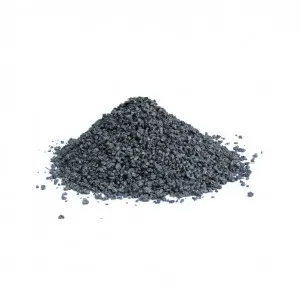
Graphite recarburizers are high-carbon materials used to increase the carbon content in molten metal during production. Typically derived from calcined anthracite or synthetic graphite, these materials are engineered to provide high purity, stable composition, and efficient absorption rates.
In metallurgical processes, maintaining precise carbon levels is essential for achieving desired mechanical properties such as hardness, strength, and wear resistance. Graphite recarburizers enable manufacturers to control these parameters accurately while minimizing impurities such as sulfur and nitrogen.
Market Trends Driving Demand Growth
The increasing demand for graphite recarburizers is closely linked to global industrial development and technological advancement.
● Expansion of Steel Production: Rapid urbanization and infrastructure projects are driving steel demand, increasing the need for efficient carbon additives
● Growth of Foundry Industry: Automotive, machinery, and construction sectors rely heavily on casting processes that require high-quality recarburizers
● Aluminum and Non-Ferrous Metals: Graphite recarburizers are gaining traction in aluminum casting and other alloy applications
● Shift Toward Energy Efficiency: Manufacturers are adopting materials that reduce energy consumption and improve process efficiency
● Environmental Regulations: Low-sulfur and low-nitrogen recarburizers support cleaner production and regulatory compliance
These trends indicate a strong and sustained growth trajectory for the graphite recarburizer market, especially in emerging economies and industrial hubs.
Key Benefits of Graphite Recarburizers
Graphite recarburizers deliver multiple performance advantages that directly impact production quality and operational efficiency.
● Precise Carbon Control: Ensures consistent carbon content, leading to stable metallurgical properties
● Improved Metal Fluidity: Enhances the flow of molten metal, reducing casting defects
● High Absorption Rate: Efficient carbon uptake minimizes material waste
● Reduced Energy Consumption: Faster dissolution and reaction reduce furnace time
● Enhanced Product Quality: Improves mechanical strength, hardness, and overall durability of metal products
These benefits make graphite recarburizers indispensable in modern industrial production environments.
Major Industrial Applications
Graphite recarburizers are widely used across multiple sectors, supporting diverse manufacturing processes.
● Steelmaking: Adjusts carbon levels in molten steel to achieve desired performance characteristics
● Cast Iron Production: Enhances machinability and strength in gray and ductile iron
● Aluminum Casting: Improves alloy composition and reduces impurities
● Foundry Operations: Ensures consistent casting quality and reduces defect rates
● Recycling Processes: Supports efficient reuse of scrap metals by restoring carbon content
Their versatility makes them a core material in both primary production and secondary metal processing.
Product-Focused Performance Optimization
To fully leverage graphite recarburizers, companies must focus on product-specific performance characteristics that influence industrial outcomes.
● Optimized Particle Size Distribution: Ensures faster dissolution and uniform carbon diffusion in molten metal
● High Fixed Carbon Content: Maximizes efficiency and reduces the amount of material required
● Low Impurity Levels: Minimizes sulfur, ash, and nitrogen content to improve metal purity
● Stable Chemical Composition: Guarantees consistent results across different production batches
● Adaptability to Different Furnaces: Performs reliably in electric arc furnaces, induction furnaces, and cupola systems
By selecting the right product specifications, manufacturers can significantly enhance production stability and output quality.
Strategies to Seize Market Opportunities
With demand rising, B2B companies must adopt proactive strategies to capture market share and build long-term competitiveness.
● Product Diversification: Develop multiple grades of recarburizers tailored to steel, iron, and non-ferrous applications
● Technology Upgrading: Invest in processing techniques that improve carbon purity and absorption efficiency
● Customer-Centric Solutions: Offer customized formulations based on specific industrial requirements
● Global Market Expansion: Target emerging markets with growing infrastructure and manufacturing sectors
● Supply Chain Optimization: Ensure stable raw material sourcing and efficient logistics to maintain reliability
These strategies enable companies to align with market trends and deliver value-added solutions to customers.
Frequently Asked Questions (FAQ)
Q: What is the ideal carbon content for graphite recarburizers?
A: High-quality graphite recarburizers typically contain over 95% fixed carbon, with premium grades exceeding 98%, ensuring efficient carbon addition.
Q: How does particle size affect recarburizer performance?
A: Smaller and uniform particle sizes improve dissolution rate and carbon absorption, leading to better process efficiency.
Q: Can graphite recarburizers reduce production costs?
A: Yes, by improving efficiency, reducing waste, and lowering energy consumption, they contribute to overall cost savings.
Q: What industries benefit the most from graphite recarburizers?
A: Steelmaking, foundries, aluminum casting, and metal recycling industries benefit significantly from their use.
Conclusion
The growing demand for graphite recarburizers reflects their critical role in modern industrial production. As industries continue to prioritize efficiency, quality, and sustainability, the importance of high-performance carbon additives will only increase.
For B2B companies, this trend presents a valuable opportunity to expand market presence, enhance product offerings, and build long-term partnerships. By focusing on product quality, technological innovation, and strategic market positioning, businesses can successfully capitalize on this demand surge and achieve sustainable growth in the competitive global market.
Product Selection Recommendations
When selecting graphite recarburizers, businesses should prioritize high carbon content, low impurity levels, and consistent performance. Partnering with reliable suppliers who offer technical support and customized solutions ensures optimal results across various industrial applications. Careful evaluation of product specifications and alignment with production requirements will ultimately lead to improved efficiency, higher product quality, and stronger market competitiveness.
Post time: Mar-19-2026