Graphite powder is a versatile industrial material with extensive applications, particularly in the electronics and industrial sectors. Its combination of unique physical, thermal, and chemical properties makes it indispensable in a variety of products and manufacturing processes. From acting as a dry lubricant to serving as a key component in batteries and thermal management solutions, graphite powder has proven to be an essential material for industries seeking performance, efficiency, and reliability. This article explores the properties, applications, advantages, and best practices for sourcing and using graphite powder in electronics and industrial settings.
Understanding Graphite Powder
Graphite is a crystalline form of carbon known for its exceptional properties, including high thermal conductivity, electrical conductivity, chemical stability, and lubricity. When processed into fine powder form, graphite becomes highly versatile, allowing it to be incorporated into various products and industrial processes.
The particle size, purity, and processing method of graphite powder significantly affect its performance. For instance, fine and ultra-fine graphite powders are preferred in electronics applications for precise thermal management and uniform conductivity, while coarser grades may be used in refractory materials or lubrication applications. Both natural and synthetic graphite powders are available, and the choice depends on the specific performance requirements of the application.
Key Properties of Graphite Powder
Graphite powder exhibits several properties that make it ideal for industrial and electronic applications:
● High Thermal Conductivity: Graphite powder efficiently conducts heat, making it suitable for applications that require effective heat dissipation, such as in batteries, heat sinks, and electronic devices.
● Excellent Lubricity: The low friction coefficient of graphite powder allows it to act as a dry lubricant, reducing wear and tear in mechanical systems and improving the longevity of equipment.
● Electrical Conductivity: Graphite’s electrical conductivity makes it a valuable material in electrodes, conductive coatings, and electronic components.
● Chemical Stability: Graphite powder is chemically inert, offering corrosion resistance and stability under high-temperature and harsh industrial conditions.
● High Temperature Resistance: With excellent thermal stability, graphite powder can operate effectively in high-temperature environments, such as in furnaces, molds, and refractory applications.
Industrial and Electronics Applications
Graphite powder is used across multiple industries, providing unique solutions based on its properties. Key applications include:
● Lubricants: Graphite powder is commonly used as a dry lubricant in machinery, automotive systems, and industrial equipment. Its ability to reduce friction improves operational efficiency and extends machinery lifespan.
● Batteries: In lithium-ion and other rechargeable batteries, graphite powder is a critical component of anodes. It enhances electrical conductivity, improves charge-discharge efficiency, and contributes to longer battery life.
● Refractory Materials: Graphite powder is incorporated into crucibles, molds, and other refractory products for its high-temperature resistance and chemical stability.
● Electronics: Graphite powder is used in electronic devices for thermal management, conductive coatings, and as a component in flexible electronics and printed circuit boards.
● Foundry Industry: In metal casting and foundry operations, graphite powder is used to produce molds, cores, and coatings, improving the precision and quality of castings.
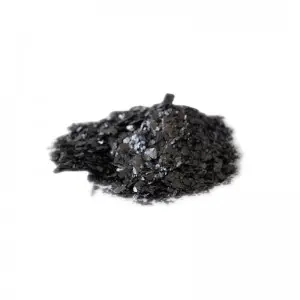
Sample Applications Table
| Application | Description |
|---|---|
| Lubricants | Dry lubrication for machinery and equipment |
| Batteries | Enhances conductivity and stability in lithium-ion batteries |
| Refractories | Provides high-temperature resistance in molds and crucibles |
| Electronics | Thermal management and conductive components |
| Foundry Industry | Used in molds and cores for precise metal casting |
Advantages of Graphite Powder in Industrial Applications
The adoption of graphite powder in electronics and industrial settings offers numerous benefits:
● Enhanced Thermal Management: Its high thermal conductivity helps dissipate heat efficiently, preventing overheating and maintaining the performance of sensitive electronic components and industrial machinery.
● Improved Lubrication and Efficiency: By reducing friction and wear, graphite powder helps extend equipment lifespan and lower maintenance costs.
● Cost-Effectiveness: Durable and long-lasting, graphite powder provides a cost-efficient solution for various applications, reducing operational downtime and material waste.
● Environmental Compatibility: As a naturally occurring material, graphite powder aligns with sustainable practices and can be safely used in environmentally conscious industrial operations.
● High Reliability and Consistency: High-purity graphite powder ensures consistent performance across batches, critical for industries that demand precision and reliability.
Best Practices for B2B Procurement
Sourcing high-quality graphite powder is essential for industrial success. Companies should focus on:
● Evaluating suppliers for quality certifications and track records.
● Requesting samples and performing batch tests to verify particle size, purity, and conductivity.
● Choosing suppliers that offer technical support and customization options to match specific industrial requirements.
● Maintaining long-term partnerships with trusted suppliers to secure stable supply chains and consistent product performance.
FAQ: Graphite Powder for Electronics and Industrial Use
Q: What particle size of graphite powder is ideal for electronics applications?
A: Fine particle size graphite powder is preferred in electronics to ensure uniform conductivity and optimal thermal management.
Q: Is graphite powder safe for use in food processing equipment?
A: Yes, graphite powder is non-toxic and chemically inert, making it safe for food contact applications.
Q: How does graphite powder improve battery performance?
A: Graphite powder enhances the conductivity of battery electrodes, improving charge-discharge efficiency and overall battery longevity.
Q: Can graphite powder be used in high-temperature industrial applications?
A: Yes, graphite powder has excellent thermal stability and is widely used in high-temperature processes such as mold making, foundries, and refractory materials.
Conclusion
Graphite powder is a versatile and valuable material for electronics and industrial applications. Its combination of thermal conductivity, lubricity, chemical stability, and electrical conductivity enables industries to solve complex challenges and enhance product performance. By selecting the appropriate grade, particle size, and purity, businesses can maximize operational efficiency, improve product quality, and unlock innovative solutions.
For B2B enterprises, incorporating high-quality graphite powder into production processes is a strategic investment that ensures reliability, cost efficiency, and technological advantage across electronics and industrial sectors.
Post time: Jan-27-2026