Selecting the right thermal and conductive material is essential for achieving efficiency, durability, and reliability in industrial applications. Among the most widely used carbon-based materials, graphite paper and graphite foil stand out for their excellent thermal and electrical properties. However, despite their similarities, these two materials serve different purposes depending on performance requirements and operating environments.
For B2B manufacturers and engineers, understanding the differences between graphite paper and graphite foil is critical to optimizing product design, reducing costs, and ensuring long-term stability. This guide provides a clear comparison of these materials, focusing on their properties, applications, and selection strategies.
What is Graphite Paper?
Graphite paper is a lightweight, flexible material composed of graphite particles embedded within a thin substrate. It is commonly used in applications that require both thermal conductivity and adaptability to complex surfaces.
Due to its soft structure and ease of handling, graphite paper is often selected for applications where conformability and ease of installation are priorities. It performs well in moderate temperature environments and offers a balance between performance and affordability.
Key Characteristics of Graphite Paper
● High flexibility allows it to conform to uneven or curved surfaces
● Good thermal and electrical conductivity suitable for electronics and light industrial use
● Lightweight structure simplifies installation and handling
● Cost-effective solution for large-scale or budget-sensitive projects
● Suitable for low to medium temperature applications
What is Graphite Foil?
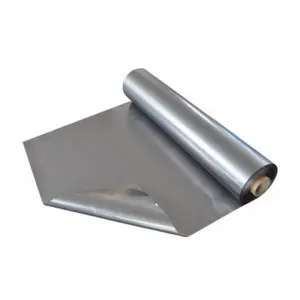
Graphite foil is a high-purity graphite material produced through exfoliation and compression processes, resulting in a dense and uniform sheet. Unlike graphite paper, it does not rely on binders or substrates, which enhances its performance under extreme conditions.
Graphite foil is widely used in high-temperature and high-performance environments where durability and thermal stability are critical. Its structure enables superior heat transfer and resistance to chemical and thermal stress.
Key Characteristics of Graphite Foil
● High thermal conductivity supports efficient heat dissipation
● Excellent temperature resistance, often exceeding 1000°C in controlled environments
● Strong chemical resistance suitable for aggressive industrial conditions
● High density ensures consistent performance and mechanical strength
● Long service life in demanding applications
Core Differences Between Graphite Paper and Graphite Foil
Although both materials share graphite as their base component, their performance varies significantly depending on structure and processing methods.
● Material Structure: Graphite paper contains graphite particles within a substrate, while graphite foil is composed of compressed pure graphite
● Temperature Resistance: Graphite foil performs better in extreme temperatures, while graphite paper is suited for moderate conditions
● Flexibility vs Strength: Graphite paper is more flexible, whereas graphite foil offers greater mechanical strength
● Durability: Graphite foil has a longer lifespan in harsh environments
● Cost Consideration: Graphite paper is typically more economical, while graphite foil provides higher performance at a higher cost
Industrial Applications of Each Material
Understanding where each material performs best helps businesses make informed decisions.
Applications of Graphite Paper
● Electronics cooling systems requiring flexible thermal interface materials
● Automotive sealing applications where surface conformity is important
● Consumer electronics such as smartphones and laptops
● Lightweight industrial components requiring moderate thermal performance
Applications of Graphite Foil
● High-temperature gaskets and sealing systems
● Heat exchangers and industrial furnaces
● Aerospace thermal protection systems
● Chemical processing equipment requiring corrosion resistance
● Power generation and heavy industrial applications
Performance Considerations for Material Selection
Choosing between graphite paper and graphite foil requires evaluating operational conditions and performance priorities.
● Temperature Range: For extreme heat environments, graphite foil is the preferred choice
● Surface Compatibility: For irregular or complex surfaces, graphite paper offers better adaptability
● Mechanical Stress: Graphite foil provides superior strength for high-pressure systems
● Cost Efficiency: Graphite paper is ideal when balancing performance with budget constraints
● Longevity Requirements: Graphite foil is better suited for long-term industrial use
Practical Selection Strategy for B2B Buyers
For industrial buyers, material selection should align with production goals and system requirements.
● Identify operating temperature and environmental conditions before material selection
● Evaluate whether flexibility or durability is more critical for your application
● Consider lifecycle cost rather than initial material price
● Test materials under real operating conditions to ensure compatibility
● Work with experienced suppliers to obtain technical support and customization options
Frequently Asked Questions (FAQ)
Q: Which material is better for high-temperature applications?
A: Graphite foil is more suitable due to its superior thermal resistance and structural stability under extreme heat.
Q: Is graphite paper more flexible than graphite foil?
A: Yes, graphite paper is softer and more adaptable, making it ideal for uneven surfaces.
Q: Can both materials be used for electrical conductivity?
A: Yes, both graphite paper and graphite foil offer good electrical conductivity, though performance may vary depending on purity and structure.
Q: Which option is more cost-effective for large-scale production?
A: Graphite paper is generally more cost-effective, especially for applications that do not require extreme performance.
Conclusion
Graphite paper and graphite foil each serve important roles in industrial applications, but their differences make them suitable for distinct use cases. Graphite paper excels in flexibility, ease of use, and cost efficiency, making it ideal for electronics and moderate thermal applications. In contrast, graphite foil delivers superior thermal performance, durability, and resistance to harsh environments, making it the preferred choice for high-temperature and heavy-duty industries.
For B2B companies, selecting the right material is not simply about choosing the better product—it is about choosing the right solution for specific operational needs. By understanding the unique characteristics of each material, businesses can improve system performance, reduce operational risks, and achieve long-term efficiency in their applications.
Post time: Mar-24-2026