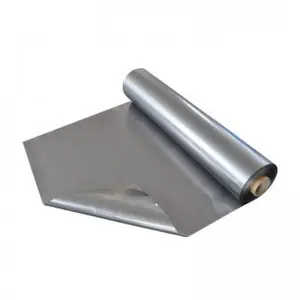
Graphite paper production has become a cornerstone in various industrial sectors due to its exceptional thermal and electrical properties. From electronics to automotive and aerospace, graphite paper—also known as graphite sheets or graphite transfer paper—plays a crucial role in enabling high-performance applications. This article explores the latest trends in graphite paper production, focusing on innovation, sustainability, market dynamics, and practical insights for B2B procurement and manufacturing success.
Innovations in Graphite Paper Manufacturing
In today’s fast-evolving industrial landscape, innovation drives efficiency, durability, and performance. Graphite paper production has seen several advancements:
● Development of enhanced thermal and electrical properties to support demanding electronic and automotive applications.
● Increased material durability for long-lasting performance in high-temperature and high-stress environments.
● Improved production processes that ensure consistent quality and lower manufacturing costs.
● Integration of advanced binder technologies for flexible, thin sheets with superior mechanical strength.
The typical production process includes selecting high-quality graphite sheets, blending them with binders and additives, pressing and rolling the mixture into sheets, curing via heat treatment, and finishing with cutting, polishing, and rigorous quality control checks. Each stage is critical in determining the final product’s performance in industrial applications.
Sustainable Practices in Graphite Paper Production
Sustainability has become a major driver in industrial manufacturing. Leading graphite paper producers are adopting eco-friendly practices, such as:
● Using renewable energy sources in production facilities to reduce carbon footprints.
● Minimizing waste through optimized production techniques.
● Incorporating recycled graphite or raw materials where feasible to promote circular economy principles.
● Implementing strict environmental compliance standards to meet international regulations.
These sustainable initiatives not only reduce environmental impact but also align with corporate responsibility goals and the expectations of global B2B partners.
Market Dynamics and Industry Trends
Graphite paper demand is strongly influenced by technological advancements, market growth in energy storage, automotive electrification, and electronics development. Current trends include:
● Lithium-Ion Battery Growth: Graphite paper is critical in lithium-ion batteries, offering high conductivity and thermal management capabilities essential for electric vehicles (EVs) and renewable energy storage systems.
● Automotive Electrification: The shift toward EVs has increased the need for graphite paper in battery modules, thermal interfaces, and insulation.
● Electronics and Consumer Devices: Graphite paper is widely used in thermal interface materials, EMI shielding, and flexible electronic components.
● Aerospace and Defense Applications: High thermal conductivity and lightweight properties make graphite paper ideal for aerospace systems and defense electronics.
By understanding these market dynamics, B2B buyers and manufacturers can strategically align procurement and production decisions to capitalize on growth opportunities.
Key Advantages of Graphite Paper in Industrial Applications
● Enhanced Thermal Management: Graphite paper effectively dissipates heat in batteries, electronic devices, and industrial machinery, ensuring reliability and performance.
● Electrical Conductivity: Its high conductivity makes it suitable for EMI shielding, flexible circuits, and electronic components.
● Lightweight and Durable: Thin, flexible graphite sheets maintain structural integrity even under extreme temperatures.
● Chemical Inertness: Resistant to corrosion and chemical reactions, graphite paper maintains performance in harsh environments.
● Sustainability: Eco-friendly production methods and potential recyclability support sustainable industrial operations.
FAQ – Common Questions About Graphite Paper
-
What industries primarily use graphite paper?
Graphite paper is widely used in electronics, automotive, aerospace, energy storage (lithium-ion batteries), and industrial machinery for thermal management and electrical conductivity. -
How does graphite paper differ from conventional thermal or insulating materials?
Unlike traditional papers or plastics, graphite paper provides superior thermal and electrical conductivity, flexibility, and high-temperature resistance, making it ideal for advanced applications. -
Can graphite paper be customized for specific industrial needs?
Yes, suppliers often offer customized thickness, density, thermal conductivity, and sheet sizes to meet the unique requirements of different industries. -
What should B2B buyers consider when sourcing graphite paper?
Quality, consistency, supplier reputation, technical support, compliance with environmental standards, and innovation capabilities are crucial for successful procurement.
Conclusion
The graphite paper production industry continues to evolve, driven by technological innovation, sustainability initiatives, and growing demand across electronics, automotive, and aerospace sectors. By understanding the latest trends and selecting reliable, innovative suppliers, businesses can leverage graphite paper to enhance performance, efficiency, and sustainability in their products and manufacturing processes. For B2B buyers, prioritizing quality, customization options, and supplier expertise ensures long-term success in a competitive industrial market.
Post time: Feb-03-2026