Introduction
Graphite paper is a highly versatile material that plays a critical role in various high-tech industries, particularly aerospace and electronics. Its unique combination of thermal, electrical, and mechanical properties makes it an indispensable component in applications requiring precise heat management, reliable electrical conduction, and mechanical flexibility. This article explores the essential advantages of graphite paper in these sectors, examining its characteristics, applications, and the benefits it provides over conventional materials.
The Significance of Graphite Paper
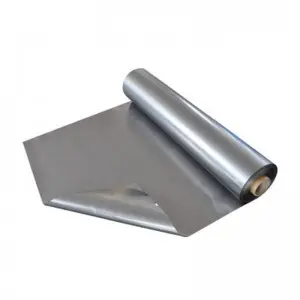
Graphite paper, also known as graphite foil, is a thin, flexible material composed of high-purity graphite flakes bound together using a specialized binder. Unlike metals or polymer-based materials, graphite paper combines excellent thermal conductivity with electrical conductivity, chemical stability, and mechanical flexibility. These properties make it highly suitable for applications in extreme environments or where space and weight limitations demand advanced materials.
Graphite paper has become a material of choice for industries aiming to enhance system reliability, improve efficiency, and achieve superior performance in critical applications. Its ability to conduct heat and electricity while maintaining structural integrity sets it apart from traditional materials like copper, aluminum, or polymer composites.
Key Characteristics of Graphite Paper
Graphite paper offers several characteristics that make it invaluable for aerospace and electronics applications:
● High thermal conductivity – allows efficient transfer of heat, preventing hotspots and ensuring uniform temperature distribution.
● Excellent flexibility – can conform to complex surfaces and shapes, providing ease of integration in tight spaces.
● Superior electrical conductivity – facilitates current flow and provides electromagnetic interference (EMI) shielding.
● Chemical resistance – maintains performance in chemically aggressive environments, including fuels and solvents.
● Low thermal expansion – reduces the risk of thermal stress or material deformation.
● Lightweight and durable – offers strength without adding excessive mass, critical in aerospace applications.
Applications in Aerospace
The aerospace industry demands materials that can withstand extreme temperatures, high vibration, and harsh chemical environments. Graphite paper is widely used in aerospace due to its unique combination of properties.
● Heat dissipation in spacecraft – Graphite paper’s high thermal conductivity efficiently transfers heat away from sensitive electronic components, ensuring their reliable operation in space or high-altitude conditions.
● Electromagnetic interference (EMI) shielding – Graphite paper provides excellent electrical conductivity, enabling it to act as a lightweight EMI shield to protect onboard electronics from electromagnetic noise.
● Rocket motor insulation – Its thermal stability allows graphite paper to be used in insulating critical components in rocket motors and other high-temperature aerospace systems.
Thermal Management Advantage: The high thermal conductivity of graphite paper ensures efficient heat transfer, preventing overheating of sensitive components and maintaining operational reliability in critical aerospace systems. Its flexibility allows it to be easily integrated into curved surfaces or confined spaces where conventional heat sinks cannot fit.
Applications in Electronics
In the electronics sector, managing heat and electrical flow is critical for device performance and longevity. Graphite paper addresses these challenges effectively:
● Heat spreaders in electronic devices – Graphite paper disperses heat evenly across the surface of components such as CPUs, GPUs, and LED arrays.
● Thermal interface materials (TIMs) for semiconductors – It acts as a high-performance thermal interface between chips and heat sinks, improving heat transfer efficiency.
● Flexible printed circuit boards (PCBs) – Graphite paper can be integrated into flexible electronics to provide conductivity while maintaining mechanical flexibility.
Thermal Management Advantage: In electronics, efficient heat spreading prevents localized hotspots, reduces thermal cycling stress, and prolongs component life. Graphite paper’s high conductivity and thin form factor make it ideal for compact, high-performance devices where space is limited.
Advantages of Graphite Paper
The key benefits of using graphite paper in aerospace and electronics applications include:
● Enhanced thermal management – Improves heat dissipation, stabilizing temperature-sensitive components.
● Improved electrical conductivity – Enables efficient current flow and provides EMI shielding.
● Flexibility for conformal applications – Can wrap around irregular shapes or fit into tight spaces.
● Lightweight construction – Minimizes weight for aerospace and portable electronics applications.
● Chemical resistance – Maintains stability under exposure to fuels, solvents, and other harsh chemicals.
By leveraging these advantages, manufacturers can achieve reliable operation, improved device performance, and safer system designs in both aerospace and electronics industries.
Additional Benefits in Industrial Applications
Graphite paper’s versatility extends beyond traditional aerospace and electronics uses. It is also employed in advanced thermal management systems, fuel cells, battery assemblies, and LED lighting, providing:
● Consistent performance under repeated thermal cycling – The material maintains its properties over thousands of heating and cooling cycles.
● Customizable thickness and density – Manufacturers can choose specific grades to optimize thermal or electrical performance for specific applications.
● Durable and stable in high-vibration environments – Ideal for aerospace, automotive, and industrial electronics.
Conclusion
Graphite paper is a highly versatile, indispensable material in aerospace and electronics industries. Its combination of high thermal conductivity, excellent electrical performance, chemical resistance, flexibility, and lightweight properties makes it superior to many conventional materials. Applications such as heat dissipation, EMI shielding, and thermal interface materials demonstrate its effectiveness in maintaining the performance, reliability, and safety of critical systems.
For superior thermal management, reliable electrical conduction, and enhanced mechanical flexibility, graphite paper is an essential material offering significant advantages for modern technological applications. Its broad range of uses, adaptability, and exceptional properties make it a valuable component in aerospace, electronics, and other high-tech industries striving for efficiency, performance, and innovation.
Post time: Jan-15-2026