Industrial manufacturing continues to demand advanced materials that offer exceptional thermal conductivity, electrical performance, and chemical stability. Among these, Graphite Granules have become a versatile and cost-efficient solution widely used in steelmaking, refractories, foundries, lubricants, batteries, powder metallurgy, and chemical processing. Their superior performance enables manufacturers to improve efficiency, product quality, and sustainability while maintaining competitive operational costs.
For B2B industrial buyers, selecting the right Graphite Granules—in terms of carbon grade, purity level, granule size, and production method—directly impacts the final product performance. This article examines the unique properties, cross-industry applications, procurement considerations, and future development trends of Graphite Granules in global manufacturing.
What Are Graphite Granules?
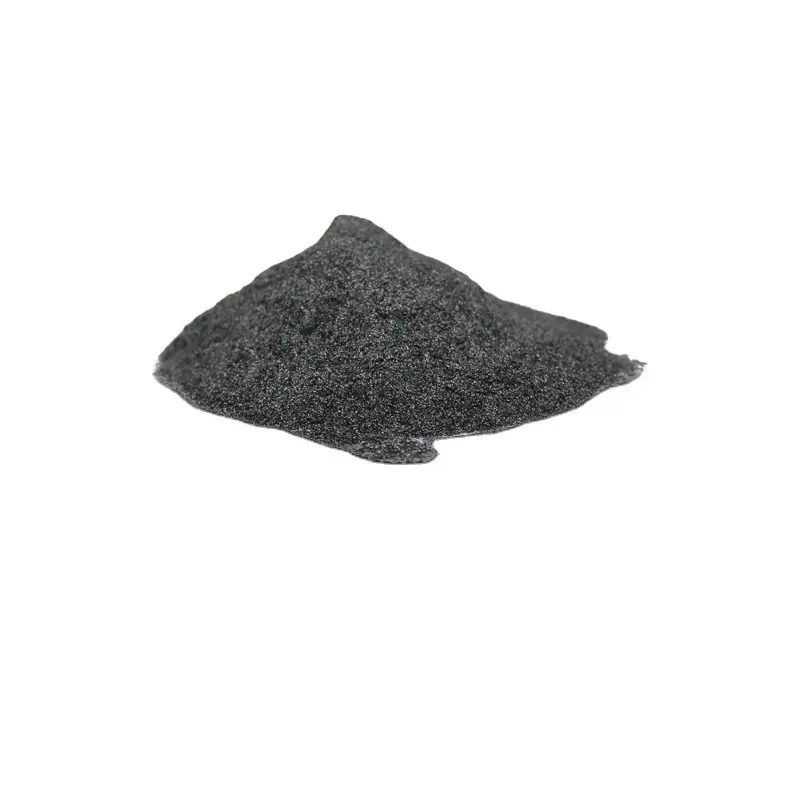
Graphite Granules are processed carbon particles manufactured through crushing, granulation, and purification of natural or synthetic graphite. Their crystalline structure provides remarkable:
• Thermal and electrical conductivity
• Lubricity and wear resistance
• Temperature stability up to 3000°C in inert atmospheres
• Resistance to acids, alkalis, and corrosion
This combination of characteristics allows Graphite Granules to serve as a core functional material under extreme industrial conditions.
Manufacturing Process Overview
Production typically includes:
-
Material Selection – natural flake or synthetic graphite based on purity requirements
-
Crushing and Granulation – controlled sizing to ensure uniform performance
-
Purification Treatment – chemical or high-temperature methods to improve carbon purity
-
Screening and Classification – granule consistency for industrial dosing systems
-
Surface Modification (Optional) – oxidation-resistant or conductive enhancement
Granules can be tailored according to different industrial processing environments.
Industrial Applications of Graphite Granules
Due to strong cost-to-performance advantages, Graphite Granules are utilized across multiple high-demand sectors:
Steelmaking and Foundries
• Carbon additive for molten steel ladles
• Improves carbon recovery and melt quality
Refractory Materials
• Reinforces furnace bricks, ladles, and ramming mixes
• Enhances thermal shock resistance
Lubrication and Wear Protection
• Dry lubricant for mining, machinery, and high-friction environments
Battery and Energy Storage
• Conductive enhancement and partial anode raw material
Powder Metallurgy and Cemented Carbide
• Improves sintering and structural integrity
Chemical and Electronics Manufacturing
• Conductive plastics and anti-corrosion materials
Graphite Granules provide consistency and durability across both heavy industry and advanced technology production.
Key Specifications for B2B Procurement
To ensure the correct match for industrial use, buyers should evaluate:
• Fixed Carbon Content (FC 80–99%+)
• Ash Content (critical for steel and battery purity)
• Granule Size Distribution (e.g., 0.2–1mm, 1–3mm, 3–5mm)
• Purification Method (acid or thermal purification)
• Sulfur / Volatile Matter Levels
• Bulk Density and Flowability
• Oxidation Resistance
Reliable suppliers should provide COA documentation, traceability, and quality-control certification.
Commercial Advantages for Industrial Production
Choosing Graphite Granules delivers measurable value:
• Enhanced thermal and electrical performance
• Higher carbon recovery in metallurgical reactions
• Lower production cost versus synthetic alternatives
• Reduced machinery wear due to lubrication properties
• Improved temperature endurance and process stability
• More consistent end-product quality
These benefits translate into lower total operational cost and improved competitiveness.
Market Trends and Future Outlook
Demand for Graphite Granules continues to expand due to:
• Growth of EV battery and energy storage markets
• Modernization upgrades in global steel production
• Increasing refractory material consumption
• Sustainability focus and longer equipment lifespan targets
Innovation will accelerate in the areas of:
• Ultra-high-purity graphite for battery applications
• Surface-engineered granules for conductivity control
• Eco-friendly purification technologies
• Supply chain resilience and international sourcing security
B2B buyers securing long-term graphite supply now will obtain competitive advantage ahead of market demand.
Conclusion
Graphite Granules are a crucial industrial raw material supporting superior performance in metallurgy, refractories, lubrication, batteries, and chemical processing. For B2B manufacturers, correct specification selection ensures:
• Higher-quality finished products
• Reduced manufacturing defects and waste
• Operational and logistics cost savings
• Stronger positioning in high-performance industries
As manufacturing evolves, Graphite Granules will continue to empower next-generation industrial technologies. Strategic partnerships with qualified suppliers are essential to guarantee long-term value and supply stability.
FAQ
-
What is the typical carbon content for Graphite Granules?
Common grades range from 80%–99% fixed carbon, depending on application. -
Can Graphite Granules be used for battery production?
Yes. High-purity granules function as conductive additives or anode precursors. -
Which industries consume the most Graphite Granules?
Steelmaking, refractories, lubrication, battery manufacturing, powder metallurgy, and chemicals. -
Can particle size be customized?
Yes. Customized sizing ensures stable flow and precise dosing in automated systems.
Post time: Dec-04-2025