Carbon content plays an important role in determining the properties of molten metal and the quality of finished products. In steelmaking and cast iron production, a suitable carbon additive helps adjust the carbon level during melting and supports the required material composition. Among the available options, Graphite Carburizer is widely considered for applications that require controlled carbon addition.
However, choosing a suitable product involves more than checking its carbon content. Steelmaking and cast iron production have different material requirements, melting conditions, and quality expectations. Particle size, sulfur content, ash, moisture, and carbon recovery can all influence the results. Understanding these factors helps manufacturers select a graphite carburizer that fits their production process.
Understanding the Role of Graphite Carburizer in Metal Production
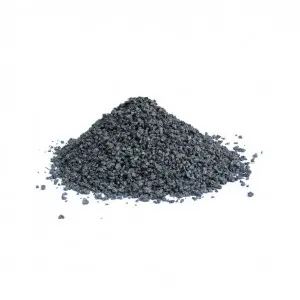
A Graphite Carburizer is a carbon additive used to increase or adjust the carbon content of molten metal. It is commonly applied in steelmaking, cast iron production, and other metal melting processes where carbon composition needs to be controlled.
Unlike materials used for surface carburizing during heat treatment, a graphite carburizer is added to molten metal. Its purpose is to supply carbon that can dissolve into the melt and contribute to the required chemical composition.
The actual performance depends on the material’s characteristics and the melting conditions. A product with suitable carbon content may still produce inconsistent results if its particle size, purity, or physical condition does not match the process. Therefore, manufacturers should evaluate the complete product rather than focus on one specification.
Choosing Graphite Carburizer for Steelmaking
In steelmaking, carbon content directly influences the mechanical properties and intended performance of the final steel. Different steel grades require different carbon levels, so the addition of carbon materials needs to be controlled according to the production target.
When selecting Graphite Carburizer for steelmaking, sulfur and other impurities deserve particular attention. Excessive unwanted elements can affect steel quality and make it more difficult to meet the required composition. A suitable product should therefore provide an appropriate carbon source while keeping impurity levels within the limits of the production process.
The timing and method of addition also influence carbon recovery. Melting temperature, bath conditions, mixing, and the stage at which the carburizer is introduced can all affect how effectively carbon enters the molten metal.
For steel producers, the most suitable product is not necessarily the one with the highest carbon content. It is the material that meets the required chemical composition, performs consistently under actual melting conditions, and supports stable production.
Selecting Graphite Carburizer for Cast Iron Production
Cast iron production has different carbon requirements from steelmaking. Carbon content is an important factor in determining the structure and properties of cast iron, influencing characteristics such as hardness, strength, and machinability.
A suitable Graphite Carburizer helps foundries adjust the carbon content of molten iron when the existing charge materials do not provide the required composition. The material must dissolve effectively and distribute carbon throughout the melt to support consistent casting quality.
Foundries should consider the relationship between the carburizer and other raw materials used in the furnace. The composition of scrap, pig iron, and recycled materials can influence the amount of additional carbon required. Selecting a carburizer without considering the overall charge may lead to unnecessary adjustments or inconsistent results.
The target casting also matters. Different cast iron products have different composition and performance requirements. A material suitable for one production process may not be the best option for another. Matching the carburizer to the casting process helps manufacturers maintain more predictable molten metal conditions.
Key Product Specifications to Evaluate
The quality of a graphite carburizer depends on several characteristics that work together. Before selecting a product, manufacturers should understand how its specifications relate to their melting requirements.
- Fixed carbon content: This indicates the proportion of carbon available in the material. A suitable level should match the required carbon addition and production conditions.
- Sulfur content: Sulfur is an important impurity to control, particularly in applications where strict chemical composition requirements apply.
- Ash content: Ash represents non-carbon residue left after combustion. Excessive ash may introduce unwanted materials into the melting process.
- Moisture content: High moisture can affect material handling and furnace operation. Consistent moisture control helps improve the reliability of carbon addition.
- Particle size: Particle size influences feeding, distribution, and dissolution behavior. The appropriate range depends on furnace conditions and the addition method.
These specifications should be evaluated together. A product with high fixed carbon but unsuitable particle size or excessive impurities may not deliver the expected performance. Manufacturers should compare products based on their actual production requirements rather than a single attractive specification.
Why Particle Size and Carbon Recovery Matter
Particle size is an important factor when evaluating Graphite Carburizer. If particles are too large for the melting conditions, they may require more time to dissolve. If particles are too fine, handling and feeding may become more difficult, and some material may be lost depending on how it is introduced.
Carbon recovery refers to the proportion of added carbon that is effectively absorbed by the molten metal. It is influenced by more than the carburizer itself. Temperature, holding time, mixing conditions, furnace type, and addition sequence all contribute to the final result.
For this reason, manufacturers should not assume that changing to a higher-carbon product will automatically improve carbon recovery. A better approach is to evaluate the product together with the actual melting process. Testing different particle sizes and addition methods under controlled conditions can help identify a more suitable combination.
Consistent product quality is equally important. Variations in particle distribution, moisture, or composition between batches may create differences in carbon addition results. Reliable material specifications and stable manufacturing quality help reduce these variations.
How to Choose the Right Graphite Carburizer
Selecting the right product starts with identifying the metal being produced and the required carbon adjustment. Steelmaking operations may place greater emphasis on impurity control and precise chemical composition, while foundries may focus on carbon recovery, dissolution behavior, and consistency across melting batches.
Before confirming a product, manufacturers should review the following points:
- Production application: Clarify whether the material will be used for steelmaking, cast iron production, or another melting process.
- Chemical requirements: Determine the required fixed carbon level and acceptable impurity limits based on the target metal.
- Particle size: Match the material size to the furnace type, feeding method, and melting conditions.
- Material consistency: Check whether the supplier can maintain stable product quality between batches.
- Practical performance: Evaluate the material through sample testing under actual or representative production conditions.
These considerations help manufacturers avoid choosing a product based only on price or one specification. A suitable graphite carburizer should support the required metal composition while fitting the existing production process.
Graphite Carburizer Supply for Different Production Requirements
Different metal melting processes require different carbon additive characteristics. Qingdao Furuite Graphite Co., Ltd. supplies graphite-related products, including graphite carburizer, for industrial applications. When selecting Graphite Carburizer, customers can discuss their intended use, chemical requirements, and particle size preferences to identify a suitable product. Matching material characteristics with actual production conditions helps manufacturers make more informed purchasing decisions and maintain consistent carbon addition.
Conclusion
Choosing the right Graphite Carburizer is essential for controlling carbon content in steelmaking and cast iron production. Although both applications use carbon additives, their composition requirements, melting conditions, and quality expectations can differ.
Fixed carbon, sulfur, ash, moisture, particle size, and carbon recovery should all be considered during product evaluation. By matching these factors with the intended metal and furnace conditions, manufacturers can select a more suitable carburizer, improve process consistency, and reduce unnecessary material adjustments.
FAQ
1. Can the same graphite carburizer be used for steelmaking and cast iron production?
It may be possible, but suitability depends on the product’s chemical composition, particle size, and the requirements of each melting process. The material should be evaluated before use.
2. Why is low sulfur important when choosing a graphite carburizer?
Sulfur can affect the chemical composition and quality of the final metal. Controlling sulfur in the carbon additive helps manufacturers meet the required composition more reliably.
3. Does higher fixed carbon always mean better carburizer performance?
Not necessarily. Fixed carbon is important, but particle size, impurities, moisture, and melting conditions also influence carbon recovery and overall performance.
4. How can manufacturers determine whether a graphite carburizer is suitable?
They should compare the product’s specifications with the target metal composition and furnace conditions, then conduct sample testing to evaluate its practical performance.
Post time: Nov-12-2026