In today’s industrial landscape, materials that can withstand extreme conditions while maintaining performance are critical. Flexible graphite sheet has emerged as a versatile solution in multiple industries, offering exceptional thermal conductivity, chemical resistance, and mechanical flexibility. This article explores the characteristics, applications, and benefits of flexible graphite sheets for B2B professionals seeking high-performance materials.
What Is a Flexible Graphite Sheet?
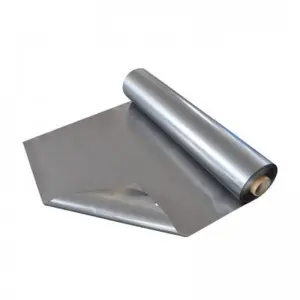
Flexible graphite sheet, also known as graphite foil or expanded graphite sheet, is produced by compressing exfoliated graphite flakes into thin, flexible sheets. Unlike rigid graphite components, flexible graphite sheets can conform to irregular surfaces while maintaining their structural integrity and thermal properties. This makes them particularly useful in sealing, thermal management, and energy applications.
Key Properties of Flexible Graphite Sheets
Flexible graphite sheets are valued for their combination of unique physical, chemical, and thermal properties:
● High thermal conductivity for efficient heat transfer
● Excellent chemical and corrosion resistance
● Low thermal expansion to minimize dimensional changes
● High flexibility to adapt to irregular surfaces
● Lightweight and durable for long-term use
● Electrical conductivity suitable for EMI shielding applications
These characteristics make flexible graphite sheets a reliable choice for industrial processes that require stability under extreme conditions.
Industrial Applications
Flexible graphite sheets are widely used across a range of industrial sectors. Their adaptability and performance make them essential in environments where heat, pressure, and chemical exposure are factors.
Sealing and Gasket Applications
● Effective sealing in high-temperature and high-pressure environments
● Resistant to acids, alkalis, and organic solvents
● Maintains seal integrity over repeated thermal cycles
Thermal Management
● Heat spreaders and insulation in electronics and semiconductors
● Efficient heat dissipation in industrial machinery
● Thermal interface materials in energy storage and battery systems
Energy and Mechanical Applications
● Components for fuel cells, engines, and exhaust systems
● Vibration dampening and compression applications
● Corrosion-resistant linings in chemical processing equipment
Flexible graphite sheets can be customized to meet specific thickness, density, and performance requirements for diverse industrial applications.
Advantages Over Other Materials
Compared to conventional sealing or thermal materials such as PTFE, metal foils, or elastomers, flexible graphite sheets provide several advantages:
● Superior temperature resistance, up to 450–500°C in oxidizing conditions and even higher in inert atmospheres
● Exceptional chemical stability, resistant to a broad range of aggressive media
● Conformability for uneven surfaces, improving sealing performance
● Long service life, reducing replacement frequency and maintenance costs
● Lightweight solution that does not compromise structural integrity
These advantages make flexible graphite sheets a preferred choice in demanding industrial settings.
How to Choose the Right Flexible Graphite Sheet
When selecting a flexible graphite sheet for industrial use, B2B buyers should consider:
● Required operating temperature and environment
● Sheet thickness and density for optimal sealing or thermal performance
● Chemical compatibility with working fluids or gases
● Electrical conductivity requirements if EMI shielding is needed
Proper selection ensures maximum efficiency, reliability, and cost-effectiveness.
Conclusion
Flexible graphite sheets are indispensable in modern industrial applications, offering unmatched thermal, chemical, and mechanical performance. By leveraging their high flexibility, durability, and conductivity, industries can achieve efficient sealing, superior thermal management, and reliable protection in challenging environments. For B2B professionals, investing in high-quality flexible graphite sheets ensures operational stability, reduced maintenance costs, and enhanced product performance.
FAQ:
What industries commonly use flexible graphite sheets?
Flexible graphite sheets are used in aerospace, electronics, automotive, chemical processing, and energy sectors due to their thermal and chemical resistance.
Can flexible graphite sheets withstand high temperatures?
Yes, flexible graphite sheets can typically endure temperatures up to 450–500°C in air, and higher in inert atmospheres, making them suitable for extreme conditions.
How do flexible graphite sheets compare to traditional sealing materials?
They offer superior flexibility, temperature tolerance, chemical resistance, and long-term durability compared to PTFE, elastomers, and metal foils.
Are flexible graphite sheets suitable for thermal management applications?
Absolutely. Their high thermal conductivity and low thermal expansion make them ideal for heat dissipation, insulation, and thermal interface materials in electronics and industrial machinery.
Post time: Jan-22-2026