In modern steelmaking, achieving precise chemical composition and consistent metallurgical quality is essential for producing high-performance steel products. Among the key additives used in this process, graphite carburizer plays a crucial role in controlling carbon content and enhancing steel properties. As industrial requirements become more demanding, understanding the effect of graphite carburizer on steelmaking has become increasingly important for manufacturers aiming to improve efficiency, reduce defects, and optimize production outcomes.
This article explores how graphite carburizer influences steelmaking processes, its impact on performance, and how it contributes to overall production efficiency.
What Is Graphite Carburizer in Steelmaking?
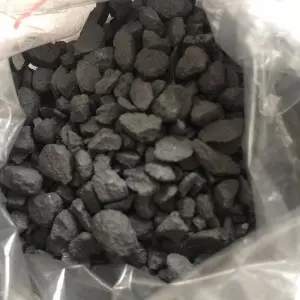
Graphite carburizer is a carbon-rich material used during steel production to adjust and increase the carbon content of molten metal. It is typically produced from high-purity graphite sources, ensuring low levels of impurities such as sulfur and nitrogen.
In steelmaking, maintaining the correct carbon level is critical for determining mechanical properties such as hardness, tensile strength, and wear resistance. Graphite carburizer allows precise control over these parameters, ensuring that the final product meets specific performance requirements.
How Graphite Carburizer Affects Carbon Control
One of the most significant effects of graphite carburizer is its ability to stabilize carbon levels in molten steel.
● Accurate Carbon Adjustment: Graphite carburizer enables precise tuning of carbon content, ensuring consistent metallurgical composition
● Uniform Carbon Distribution: High-quality carburizers dissolve efficiently, allowing even carbon dispersion throughout the melt
● Reduced Carbon Loss: Stable chemical composition minimizes carbon oxidation during processing
These effects help manufacturers achieve tighter quality control and reduce variability in production.
Impact on Steel Quality and Mechanical Properties
The use of graphite carburizer directly influences the performance characteristics of steel products.
● Improved Strength and Hardness: Proper carbon levels enhance the mechanical strength and hardness of steel
● Better Wear Resistance: Increased carbon content improves resistance to abrasion and mechanical stress
● Enhanced Microstructure: Graphite carburizer contributes to more uniform grain structures, improving overall material performance
● Reduced Defects: Controlled carbon addition helps prevent issues such as porosity and structural inconsistencies
These improvements are essential for industries such as automotive, construction, and heavy machinery, where material reliability is critical.
Influence on Steelmaking Efficiency
Graphite carburizer also plays an important role in improving process efficiency.
● Faster Dissolution Rate: High-purity graphite carburizers dissolve quickly in molten steel, reducing processing time
● Lower Energy Consumption: Efficient carbon absorption shortens furnace operation cycles
● Reduced Material Waste: High absorption efficiency minimizes the amount of additive required
● Process Stability: Consistent performance helps maintain stable operating conditions
These factors contribute to more efficient and cost-effective steel production.
Compatibility with Different Steelmaking Processes
Graphite carburizer is widely used across various steelmaking technologies, making it a versatile material.
● Electric Arc Furnace (EAF): Commonly used for carbon adjustment in recycled steel production
● Induction Furnace: Supports precise control in smaller-scale or specialized steelmaking operations
● Converter Processes: Helps fine-tune carbon levels during secondary refining
Its adaptability ensures that it can meet the requirements of both large-scale and specialized production environments.
Key Factors Affecting Performance of Graphite Carburizer
To maximize the benefits of graphite carburizer, certain material properties must be considered.
● Carbon Purity: Higher carbon content ensures better efficiency and cleaner steel
● Particle Size: Proper sizing improves dissolution speed and distribution
● Low Impurity Levels: Minimizing sulfur and ash content prevents contamination
● Structural Stability: Consistent material quality ensures predictable performance
Selecting the right specification is essential for achieving optimal results in steelmaking.
Environmental and Sustainability Benefits
With increasing focus on sustainable manufacturing, graphite carburizer offers several environmental advantages.
● Supports efficient use of raw materials and reduces waste
● Helps lower energy consumption during steel production
● Reduces emissions by improving process efficiency
● Enables better recycling of scrap steel
These benefits align with modern industry trends toward greener and more sustainable production methods.
Frequently Asked Questions (FAQ)
Q: Why is graphite carburizer preferred over other carbon additives?
A: It offers higher purity, better absorption rates, and more consistent performance, leading to improved steel quality.
Q: How does graphite carburizer improve steel properties?
A: It ensures precise carbon content, which directly affects strength, hardness, and durability.
Q: Can graphite carburizer be used in all steelmaking processes?
A: Yes, it is compatible with most processes, including electric arc furnaces and induction furnaces.
Q: What determines the efficiency of a graphite carburizer?
A: Factors such as carbon purity, particle size, and impurity levels influence its performance.
Conclusion
Graphite carburizer plays a fundamental role in modern steelmaking by enabling precise carbon control, improving steel quality, and enhancing production efficiency. Its impact extends beyond metallurgical performance, contributing to cost savings, process stability, and environmental sustainability.
For B2B manufacturers, understanding the effect of graphite carburizer on steelmaking is essential for optimizing operations and achieving consistent, high-quality results. By selecting the right material and integrating it effectively into production processes, companies can significantly enhance their competitiveness in the global steel industry.
Post time: Apr-09-2026