Conductive graphite is a highly functional carbon-based material widely used in industries that require stable electrical conductivity, thermal management, and chemical resistance. As modern manufacturing continues to evolve toward higher efficiency and miniaturization, conductive materials like graphite are playing an increasingly important role in electronics, energy systems, metallurgy, and industrial engineering.
Unlike traditional conductive metals such as copper or aluminum, conductive graphite offers a unique balance of electrical performance, high-temperature stability, chemical resistance, and self-lubricating properties. These characteristics make it suitable for demanding environments where metals may oxidize, deform, or lose efficiency over time.
What Is Conductive Graphite?
Conductive graphite refers to graphite materials that possess strong electrical conductivity due to their layered carbon crystal structure. In this structure, electrons can move relatively freely along the graphite layers, enabling stable current transmission.
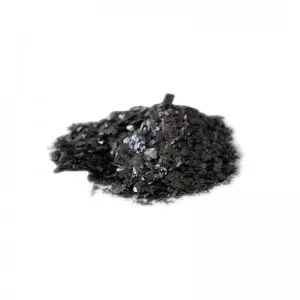
It is commonly produced from natural flake graphite or synthetic graphite through processing methods that enhance purity, particle distribution, and structural consistency. Depending on the application, conductive graphite can be supplied in powder form, sheets, blocks, or customized machined components.
In industrial usage, conductive graphite is not only a raw material but also a functional component used in systems where electrical conductivity and thermal stability are both required.
Why Conductive Graphite Is Important in Modern Industry
The demand for conductive materials has increased significantly with the rapid development of electronics, renewable energy, electric vehicles, and high-performance industrial systems. Traditional metal conductors are widely used, but they also face limitations such as corrosion, weight issues, and performance degradation under extreme conditions.
Conductive graphite provides an alternative solution that performs reliably in environments where metals may fail. It is particularly valuable in high-temperature, chemically aggressive, or mechanically demanding conditions.
In many industrial systems, conductive graphite is used not only for electrical transmission but also for thermal dissipation, friction reduction, and structural stability. This multifunctional performance makes it an important material in advanced engineering applications.
Key Properties of Conductive Graphite
Conductive graphite is selected across industries because of its unique combination of electrical, thermal, and mechanical properties. These features allow it to function effectively in both standard and extreme environments.
● Stable electrical conductivity
Conductive graphite allows efficient electron movement due to its layered crystal structure. This makes it suitable for electrodes, conductive coatings, and electrical contact components.
● High-temperature resistance
Unlike many conductive metals, graphite maintains stable performance even at very high temperatures. This makes it suitable for furnace systems, high-heat electrodes, and thermal processing environments.
● Excellent thermal conductivity
Conductive graphite can transfer heat efficiently, helping regulate temperature in electronic devices, industrial systems, and energy storage components.
● Chemical stability and corrosion resistance
Graphite does not easily react with most acids, alkalis, or corrosive gases, making it reliable in chemical processing and harsh industrial environments.
● Self-lubricating performance
The layered structure of graphite allows it to reduce friction naturally, which is beneficial in mechanical systems where both conductivity and wear resistance are required.
● Lightweight compared to metals
Conductive graphite is significantly lighter than many metal conductors, making it suitable for applications where weight reduction is important.
Conductive Graphite in Electrical Applications
One of the most important uses of conductive graphite is in electrical systems. It is commonly used in electrodes, brushes, current collectors, and conductive coatings.
In electrical discharge machining (EDM), graphite electrodes are widely used due to their ability to maintain shape stability under high-energy discharge conditions. Compared to copper electrodes, graphite electrodes often provide faster machining speed and better wear resistance in specific applications.
Conductive graphite is also used in battery systems, particularly in lithium-ion battery components. It helps improve conductivity within electrode structures and enhances overall energy transfer efficiency.
In grounding systems and electrical contacts, conductive graphite provides stable performance even in environments where oxidation or corrosion could affect metal components.
Conductive Graphite in Thermal Management Systems
As electronic devices become smaller and more powerful, thermal management has become a critical engineering challenge. Conductive graphite plays an important role in dissipating heat efficiently in such systems.
It is commonly used in heat spreaders, thermal interface materials, and cooling layers in electronic devices. Its ability to distribute heat evenly helps prevent localized overheating and improves device stability.
In industrial equipment, conductive graphite is used in heat-resistant components that must operate under continuous thermal stress. Its combined electrical and thermal conductivity makes it especially valuable in multifunctional thermal systems.
Conductive Graphite in Industrial and Mechanical Applications
Beyond electrical and thermal systems, conductive graphite is widely used in mechanical and industrial environments where friction, wear resistance, and stability are important.
In high-temperature furnaces, conductive graphite components are used for heating elements, support structures, and conductive fixtures. Its ability to maintain performance under extreme heat makes it suitable for continuous industrial operation.
In sealing and friction systems, conductive graphite can also be used in sliding contacts, bearings, and lubrication-related applications. Its self-lubricating property helps reduce mechanical wear and extend equipment lifespan.
In metallurgy and casting industries, conductive graphite is used in molds, crucibles, and heat-resistant processing tools where both conductivity and thermal stability are required.
Forms of Conductive Graphite Products
Conductive graphite is available in different forms depending on industrial requirements. Each form is designed for specific processing and application needs.
● Graphite powder for conductive coatings and composite materials
● Graphite sheets for thermal and electrical interfaces
● Graphite blocks for machining electrodes and industrial parts
● Custom-machined graphite components for precision engineering applications
This flexibility allows manufacturers to select or customize materials based on their production processes and technical requirements.
Factors That Influence Conductive Graphite Performance
The performance of conductive graphite depends on several material and processing factors. Understanding these helps industries choose the right grade for specific applications.
Material purity plays a key role in conductivity and stability. Higher purity graphite generally offers better electrical performance and consistency. Particle size and structure also affect conductivity, with finer and more uniform structures providing improved performance in precision applications.
Density is another important factor. High-density graphite typically offers better mechanical strength and longer service life, especially in demanding industrial environments.
Processing quality also impacts performance. Precision machining and controlled production processes ensure that conductive graphite components meet strict industrial requirements.
Why Industries Choose Conductive Graphite
Industries choose conductive graphite because it provides a combination of performance advantages that are difficult to achieve with traditional materials.
It performs reliably in extreme environments, reduces maintenance requirements, and supports both electrical and thermal functions in a single material system. This multifunctionality reduces the need for multiple separate materials, simplifying system design and improving efficiency.
Conductive graphite is also cost-effective in long-term industrial use because of its durability and resistance to degradation. In high-demand production environments, this stability helps reduce downtime and improve operational efficiency.
Conclusion
Conductive graphite is a critical material in modern industrial development, offering stable electrical conductivity, strong thermal performance, and excellent resistance to harsh environments. Its applications span across electronics, energy systems, metallurgy, thermal management, and mechanical engineering.
As industries continue to demand higher performance and more efficient materials, conductive graphite will remain an essential solution for advanced engineering applications. Its unique combination of properties makes it suitable for both current industrial needs and future technological development.
FAQ
1. What is conductive graphite used for?
Conductive graphite is used in electrical electrodes, thermal management systems, battery components, industrial heating systems, and conductive coatings. It is widely applied in electronics, metallurgy, and energy industries.
2. Is conductive graphite better than metal conductors?
In some applications, yes. While metals like copper have higher conductivity, conductive graphite performs better in high-temperature, corrosive, and wear-intensive environments where metals may degrade or fail.
3. Can conductive graphite be used in batteries?
Yes. Conductive graphite is commonly used in lithium-ion batteries and other energy storage systems to improve electrical conductivity and enhance overall performance.
4. Does conductive graphite conduct both heat and electricity?
Yes. Conductive graphite has excellent electrical conductivity and good thermal conductivity, making it suitable for both electrical and heat management applications.
Post time: May-22-2026