Battery grade graphite is a fundamental material in the rapidly growing energy storage sector. With the global shift toward electric vehicles, renewable energy, and advanced consumer electronics, the quality of graphite used in batteries has become a critical factor in determining efficiency, safety, and longevity. For B2B companies involved in battery manufacturing or energy storage solutions, understanding the properties, applications, and sourcing strategies of battery grade graphite is essential for maintaining competitive advantage and producing reliable, high-performance products.
Understanding Battery Grade Graphite
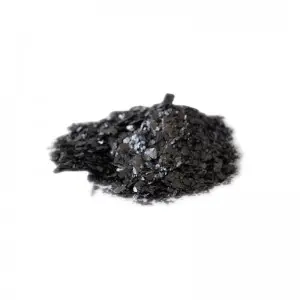
Battery grade graphite refers to high-purity graphite processed specifically to meet the demanding requirements of lithium-ion battery anodes and other advanced energy storage systems. Unlike standard industrial graphite, battery grade graphite offers superior electrochemical properties, including high electrical conductivity, stable cycling performance, and consistent particle morphology. It is available in both natural and synthetic forms, each offering distinct advantages depending on production needs and application requirements. Natural graphite is typically more cost-effective and contains trace minerals that can enhance certain electrochemical properties, whereas synthetic graphite is manufactured to provide high uniformity, controlled particle size, and optimal performance in high-precision battery applications.
Key Properties of Battery Grade Graphite
● High Purity: Battery grade graphite usually exceeds 99.95% purity, minimizing impurities that could interfere with battery performance and longevity
● Consistent Particle Size: Uniform particle distribution ensures stable anode performance, prevents short circuits, and improves the overall efficiency of charge and discharge cycles
● Excellent Electrical Conductivity: Supports rapid charge and discharge rates, crucial for high-performance electric vehicles and energy storage systems
● Thermal Stability: Maintains structural integrity during high-temperature operation, reducing the risk of thermal degradation or failure
● Low Impurities: Prevents unwanted chemical reactions within the battery, ensuring enhanced safety and long-term stability
Applications in Energy Storage
Battery grade graphite serves as a critical component in a wide range of energy storage systems. Its primary use is as an anode material in lithium-ion batteries, but its role is expanding into other advanced battery technologies, such as sodium-ion and solid-state batteries. In electric vehicles, battery grade graphite enables longer driving ranges and faster charging cycles, while in consumer electronics, it supports reliable and durable power performance for devices like smartphones, laptops, and wearable technology. Renewable energy storage systems, which require long-life, high-efficiency batteries for grid applications, also depend on the quality and consistency of graphite used in their anodes. Industrial energy storage solutions, including backup power for manufacturing facilities, further highlight the importance of battery grade graphite in supporting stable and efficient energy delivery.
Advantages of Using High-Quality Battery Graphite
● Enhanced Battery Efficiency: Using premium battery graphite improves charge and discharge performance, increasing overall energy output and operational reliability
● Improved Safety: High-purity graphite reduces the risk of side reactions, short-circuiting, or thermal runaway events within the battery
● Longer Battery Lifespan: Consistent particle size and low impurity levels help maintain capacity over repeated charge cycles, extending the service life of batteries
● Cost-Effectiveness: Although high-purity graphite may involve higher initial costs, it reduces manufacturing defects and battery failures, saving money over time
● Scalability: Battery grade graphite supports large-scale production for electric vehicles, consumer electronics, and grid energy storage systems without compromising quality or performance
Best Practices for Sourcing Battery Grade Graphite
● Verify Supplier Credentials: Ensure suppliers provide certifications for battery-grade graphite and comply with international quality standards
● Assess Particle Morphology: Confirm that the graphite particle size, shape, and purity meet the specific requirements for anode manufacturing
● Conduct Testing: Perform electrochemical tests on graphite samples to ensure consistency and performance before committing to bulk purchases
● Consider Material Type: Decide between synthetic and natural graphite based on the desired balance of cost, performance, and scalability for your applications
● Build Long-Term Partnerships: Collaborate with reliable suppliers to secure consistent supply, technical support, and the ability to adapt to evolving battery technologies
Conclusion
Battery grade graphite is a cornerstone material for modern energy storage technologies. Its high purity, thermal stability, consistent particle morphology, and excellent electrical conductivity are essential for creating efficient, safe, and durable batteries. For B2B companies involved in battery manufacturing, understanding the properties, applications, and best practices for sourcing battery graphite is critical for maintaining a competitive edge in a rapidly growing market. By carefully selecting suppliers, verifying material quality, and aligning graphite choice with specific application needs, businesses can ensure superior battery performance, extended lifespan, and enhanced energy efficiency. Investing in high-quality battery grade graphite is not only a strategic production decision but also a key factor in supporting the global transition to sustainable energy solutions.
FAQ
Q: What is the difference between natural and synthetic battery grade graphite?
A: Natural graphite is mined and processed to achieve high purity and cost-effectiveness, while synthetic graphite is manufactured to provide highly uniform particle size and consistent electrochemical performance for precision battery applications.
Q: Why is high purity important in battery grade graphite?
A: Impurities can reduce electrical conductivity, trigger side reactions, and cause early battery degradation, negatively affecting performance, efficiency, and safety.
Q: Can battery grade graphite be used in other types of batteries besides lithium-ion?
A: Yes, battery grade graphite is increasingly applied in sodium-ion, solid-state, and other emerging battery technologies due to its conductive and structural properties.
Q: How can companies ensure the consistent quality of battery graphite?
A: By partnering with certified suppliers, performing regular quality tests on particle size, morphology, and purity, and maintaining long-term relationships to secure a stable supply chain.
Post time: Mar-10-2026