Amorphous graphite has become an indispensable material in modern industrial processes, offering a unique combination of physical and chemical properties that enhance performance across various applications. For B2B companies in sectors such as steel manufacturing, battery production, and machinery, understanding the advantages and applications of amorphous graphite is critical to optimizing efficiency and product quality. This article explores the key characteristics, industrial applications, and strategic benefits of using amorphous graphite, providing a comprehensive guide for business professionals seeking reliable solutions.
Understanding Amorphous Graphite
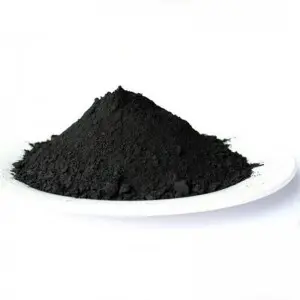
Amorphous graphite is a naturally occurring form of graphite characterized by its fine, non-crystalline structure. Unlike flake graphite, it does not have a layered crystal lattice, which gives it distinct properties such as higher impurity tolerance and a finer particle distribution. These qualities make amorphous graphite ideal for industrial processes where thermal conductivity, lubrication, and chemical inertness are required. Its versatility allows it to be incorporated into a wide range of products, from lubricants and coatings to battery-grade materials and refractory components.
Key Properties of Amorphous Graphite
● High Lubricity: Amorphous graphite reduces friction in mechanical systems, helping to protect machinery and enhance operational efficiency.
● Thermal Stability: It maintains its performance under extreme temperatures, making it suitable for high-heat industrial processes.
● Electrical Conductivity: Amorphous graphite can effectively conduct electricity, which is essential for battery materials and conductive composites.
● Chemical Resistance: The material is inert to most chemicals, ensuring product integrity in harsh environments.
● Cost-Effectiveness: Amorphous graphite is naturally abundant and requires less processing than synthetic alternatives, offering a balance between performance and affordability.
Applications of Amorphous Graphite
Amorphous graphite is widely used across industries due to its multifunctional properties. Its applications span multiple B2B sectors:
● Lubricants and Greases: Incorporated into industrial lubricants, amorphous graphite enhances wear resistance and reduces friction in moving parts.
● Battery Materials: Used in anodes for lithium-ion and other high-performance batteries, amorphous graphite improves conductivity and cycle stability.
● Foundry and Metal Casting: Serves as a protective coating and release agent for molds, reducing defects and enhancing surface finish.
● Refractories: Added to refractory bricks and crucibles to enhance thermal resistance and structural stability.
● Conductive Composites: Provides a conductive matrix in polymers and plastics, supporting electronics and electromagnetic shielding applications.
Product Potential and Industrial Advantages
Beyond its standard applications, amorphous graphite offers significant product-related benefits that directly impact industrial outcomes.
● Enhanced Conductivity and Heat Management: Amorphous graphite improves both electrical and thermal pathways in composite materials, enabling efficient heat dissipation in electronics, energy storage, and thermal management systems.
● Lubrication and Wear Reduction: As a solid lubricant, it minimizes mechanical wear and reduces energy consumption in high-load machinery, extending the operational lifespan of components.
● Structural Reinforcement: When incorporated into alloys, ceramics, or composite materials, amorphous graphite enhances mechanical strength and dimensional stability, ensuring consistent quality of finished products.
● Versatility Across Manufacturing Processes: Amorphous graphite performs reliably in high-temperature, wet, or dry processing environments, making it suitable for steelmaking, battery production, chemical processing, and more.
● Enabling Innovation: By adjusting particle size, purity, and incorporation methods, companies can develop advanced products such as high-conductivity composites, thermally efficient materials, and next-generation lubricants, fostering technological advancement and product differentiation.
Advantages of Amorphous Graphite for B2B Companies
B2B enterprises leveraging amorphous graphite in their production lines can realize multiple operational benefits:
● Reduced Defects and Enhanced Quality: By improving lubrication and mold release in casting, amorphous graphite minimizes pinholes, sticking, and surface roughness.
● Improved Efficiency: Speeds up processes such as battery assembly and metal casting, allowing for faster production cycles and lower downtime.
● Cost Savings: Its natural abundance and minimal processing requirements make amorphous graphite a cost-effective material option.
● Broad Industrial Compatibility: Suitable for steel, aluminum, copper alloys, and composite materials, ensuring flexible usage across different industrial applications.
● Sustainability: As a naturally occurring material with low processing needs, amorphous graphite aligns with environmentally conscious manufacturing practices.
Conclusion
Amorphous graphite is a versatile, high-performance material that plays a crucial role in modern industrial applications. Its unique combination of thermal, electrical, and lubricating properties makes it an essential component in manufacturing processes across multiple sectors. B2B companies can benefit from improved product quality, increased efficiency, and cost-effective solutions by integrating amorphous graphite into their operations. Selecting the appropriate particle size, purity, and application method ensures maximum performance and long-term benefits, making amorphous graphite a strategic material for industrial innovation and competitiveness.
FAQ:
Q: What makes amorphous graphite suitable for battery applications?
A: Its fine particle size, conductivity, and thermal stability enhance electrode performance, cycle life, and overall battery efficiency.
Q: Can amorphous graphite be used as a solid lubricant in high-temperature environments?
A: Yes, it reduces friction and wear in machinery even under extreme heat, extending component lifespan and reducing maintenance costs.
Q: How does amorphous graphite compare with flake graphite?
A: While flake graphite offers higher purity and layered structure, amorphous graphite is more cost-effective, easier to process, and suitable for applications requiring uniform fine particles.
Q: Is amorphous graphite environmentally sustainable?
A: Yes, as a naturally occurring material requiring minimal processing, it supports sustainable industrial practices and reduces energy consumption in production.
Post time: Mar-12-2026