In modern steel production, precise carbon control is essential for achieving consistent quality and performance. Graphite recarburizer for steel making plays a critical role in adjusting carbon content efficiently, helping steelmakers meet strict mechanical and chemical requirements while maintaining cost-effective operations.
What IsGraphite Recarburizer?
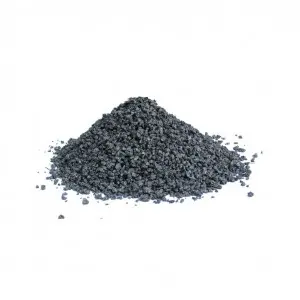
Graphite recarburizer is a high-carbon additive, typically produced from petroleum coke or synthetic graphite, and processed through high-temperature graphitization. It is widely used in steelmaking to increase the carbon content of molten steel or iron during melting and refining stages.
Compared with traditional carbon additives, graphite recarburizer offers higher carbon purity, better absorption rates, and more stable performance, making it a preferred choice in many steel plants.
Why Carbon Adjustment Matters in Steel Making
Carbon is one of the most influential elements in steel. Even small variations can significantly affect hardness, strength, ductility, and machinability. Using a reliable recarburizer allows steel producers to fine-tune compositions with greater accuracy.
Key reasons carbon control is critical include:
Achieving targeted mechanical properties
Ensuring consistency across production batches
Reducing scrap rates caused by off-spec chemistry
Graphite recarburizer supports these goals by delivering predictable and efficient carbon recovery.
Key Properties of Graphite Recarburizer for Steel Making
High-quality graphite recarburizer is defined by several important characteristics that directly impact steelmaking performance:
● High fixed carbon content, usually above 98%
● Low sulfur and low nitrogen levels
● Stable particle size for controlled dissolution
● High carbon absorption rate in molten steel
● Low ash and volatile matter
These properties help minimize impurities and improve overall metallurgical efficiency.
Applications in Different Steelmaking Processes
Graphite recarburizer is suitable for multiple steelmaking routes and furnace types. Its versatility makes it a standard additive in both primary and secondary metallurgy.
Common application scenarios include:
● Electric arc furnace (EAF) steelmaking
● Induction furnace steel melting
● Basic oxygen furnace (BOF) adjustment
● Alloy steel and special steel production
In each process, graphite recarburizer helps compensate for carbon loss during melting and refining, ensuring final compositions meet specifications.
Advantages Over Other Carbon Additives
Compared with coal-based recarburizers or low-grade petroleum coke, graphite recarburizer offers clear advantages for steel producers focused on quality and process stability.
Main advantages include:
● Faster dissolution in molten steel
● Higher and more predictable carbon recovery
● Lower introduction of harmful elements
● Improved surface quality of finished steel
These benefits translate into better control, reduced rework, and more efficient production cycles.
How Graphite Recarburizer Improves Steel Quality
Using graphite recarburizer for steel making contributes directly to improved end-product performance. By maintaining stable carbon levels, steelmakers can achieve more uniform microstructures and mechanical properties.
This results in:
● Enhanced tensile strength and hardness
● Improved wear resistance
● Better machinability and formability
● More consistent performance in downstream applications
For B2B steel producers, these improvements strengthen competitiveness in demanding markets such as automotive, machinery, and construction.
Considerations for Industrial Use
To achieve optimal results, graphite recarburizer should be added at the correct stage of the steelmaking process and in appropriate quantities. Factors such as furnace type, molten metal temperature, and desired carbon level all influence performance.
Industrial users typically focus on:
● Matching particle size to furnace conditions
● Ensuring consistent product quality across shipments
● Monitoring sulfur and nitrogen impact on final steel
Proper handling and dosing maximize the benefits of this material.
Conclusion
Graphite recarburizer for steel making is a critical material for modern steel production, enabling precise carbon adjustment, improved steel quality, and stable process control. Its high carbon purity, low impurity levels, and excellent absorption performance make it a reliable choice for a wide range of steelmaking applications. For steel producers seeking efficiency, consistency, and high-quality output, graphite recarburizer remains an essential component in the metallurgical process.
FAQ:
What is the main function of graphite recarburizer in steel making?
Its primary function is to increase and precisely control the carbon content of molten steel during melting and refining.
Is graphite recarburizer suitable for electric arc furnaces?
Yes, it is widely used in electric arc furnaces due to its high absorption rate and low impurity content.
How does graphite recarburizer differ from petroleum coke?
Graphite recarburizer generally has higher carbon purity, lower sulfur, and better dissolution performance compared to standard petroleum coke.
Can graphite recarburizer improve steel consistency?
Yes, by providing stable and predictable carbon recovery, it helps ensure consistent chemical composition and mechanical properties across production batches.
Post time: Jan-21-2026